
Mechanical Tooling Wear-grade material
Mechanical-Grade Diamond
For cutting edges and wear surfaces where mechanical duty drives the choice of diamond.
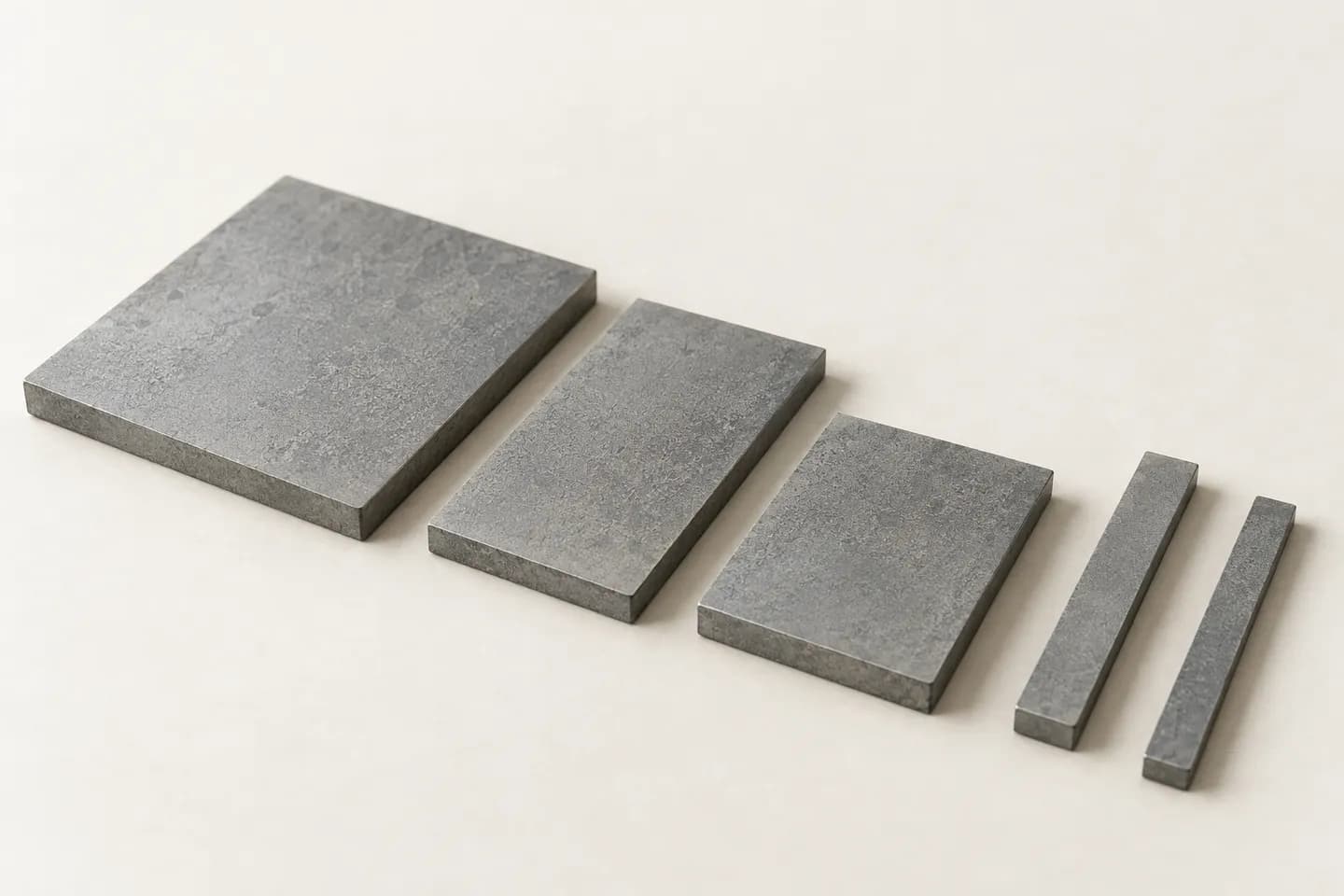
Good to know
- Mechanical grade describes the duty rather than a universal quality rank.
- Wear resistance, edge integrity and workpiece compatibility need to be considered together.
- Optical or electronic grade requirements should not be assumed.
Specifications
What we define for mechanical-grade diamond, with units and how each is typically measured. We confirm values for your application in technical review.
Request the datasheetLook up a term in the glossaryDimensions & tolerances
| Parameter | Unit | Typical test method |
|---|---|---|
| Lateral size, outline or diameter, and tolerance | mm | Optical measurement |
| Thickness and tolerance (bulk or layer) | mm | Micrometer or optical gauge |
| Edge condition and chip limit | Microscopy inspection to drawing |
Crystal & purity
| Parameter | Unit | Typical test method |
|---|---|---|
| Crystal type, grade and grain size | Raman spectroscopy or microscopy | |
| Grain size and texture | µm | EBSD or optical microscopy |
Surface & finish
| Parameter | Unit | Typical test method |
|---|---|---|
| Surface finish condition (as-grown, lapped or polished) | Visual inspection to drawing | |
| Surface roughness per side | nm Ra | Profilometry or AFM |
Material properties
| Parameter | Unit | Typical test method |
|---|---|---|
| Hardness and fracture toughness | GPa | Indentation (ISO 14577) |
| Transverse rupture strength | MPa | Three-point bend test |
| Wear resistance | Application wear test or pin-on-disc |
Metallization & joining
| Parameter | Unit | Typical test method |
|---|---|---|
| Solder or braze compatibility | Wetting and shear test |
Integration & packaging
| Parameter | Unit | Typical test method |
|---|---|---|
| Operating load, medium and environment | Per application brief | |
| Certificate of conformance and traceability | Supplier declaration |
Where it is used
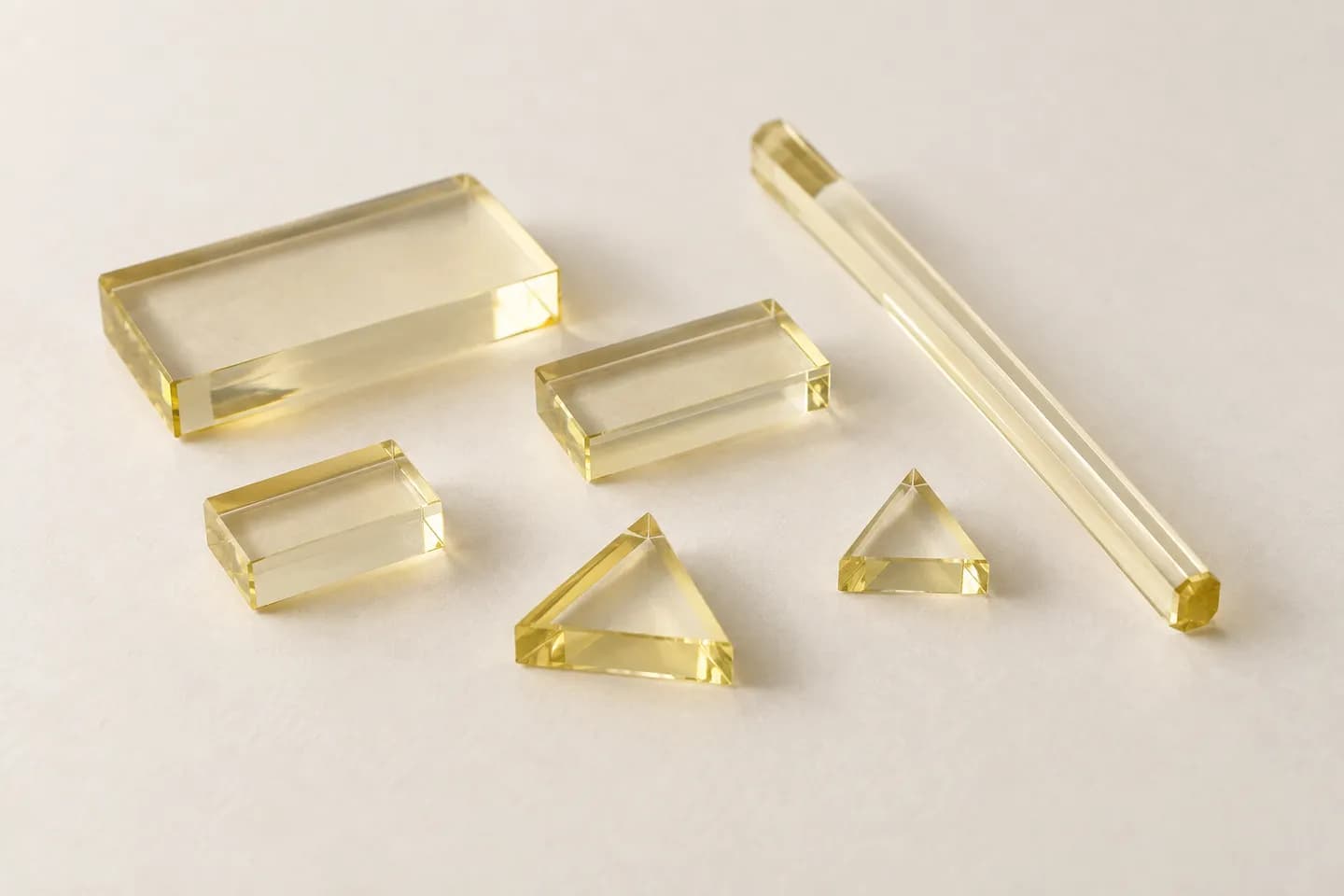
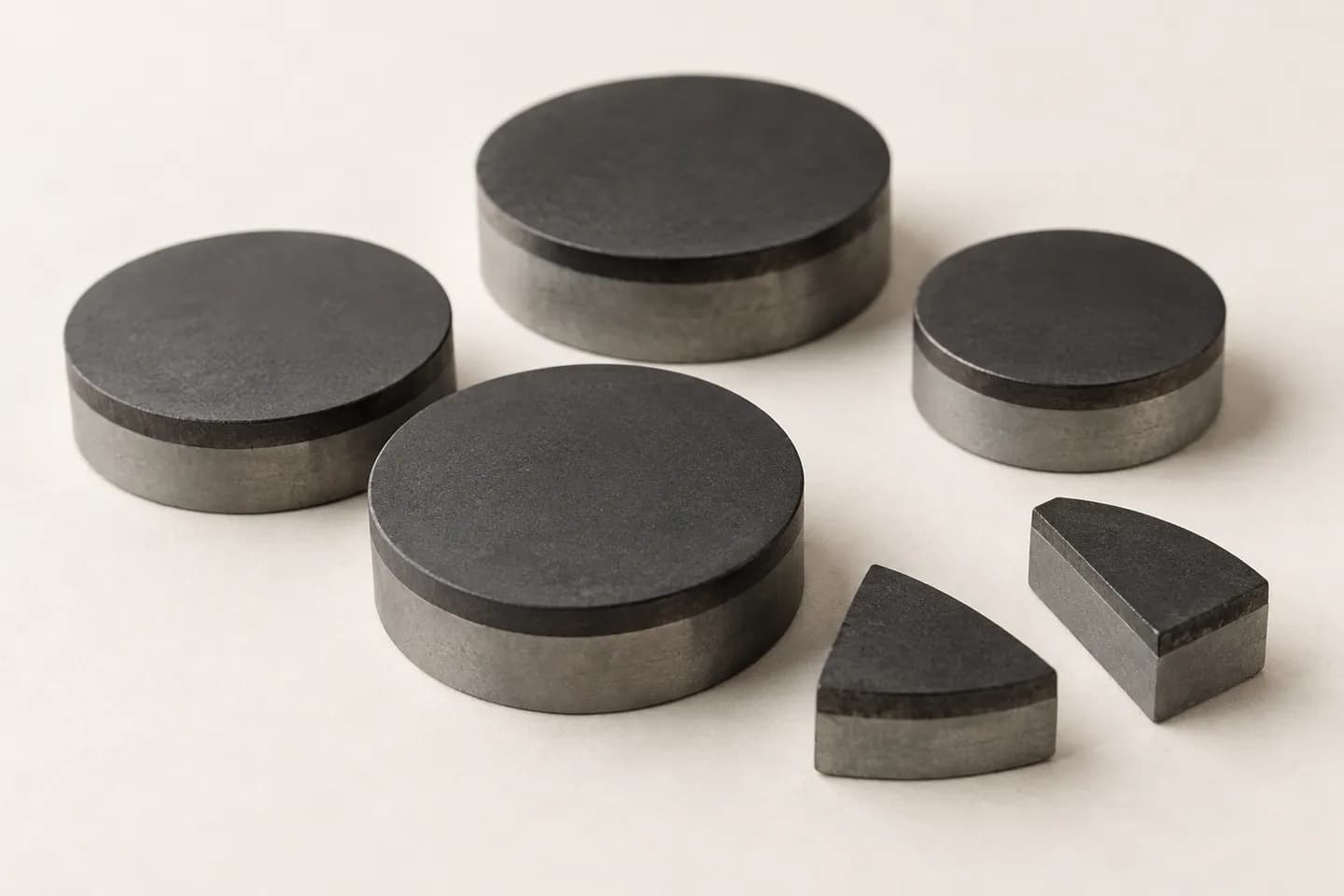
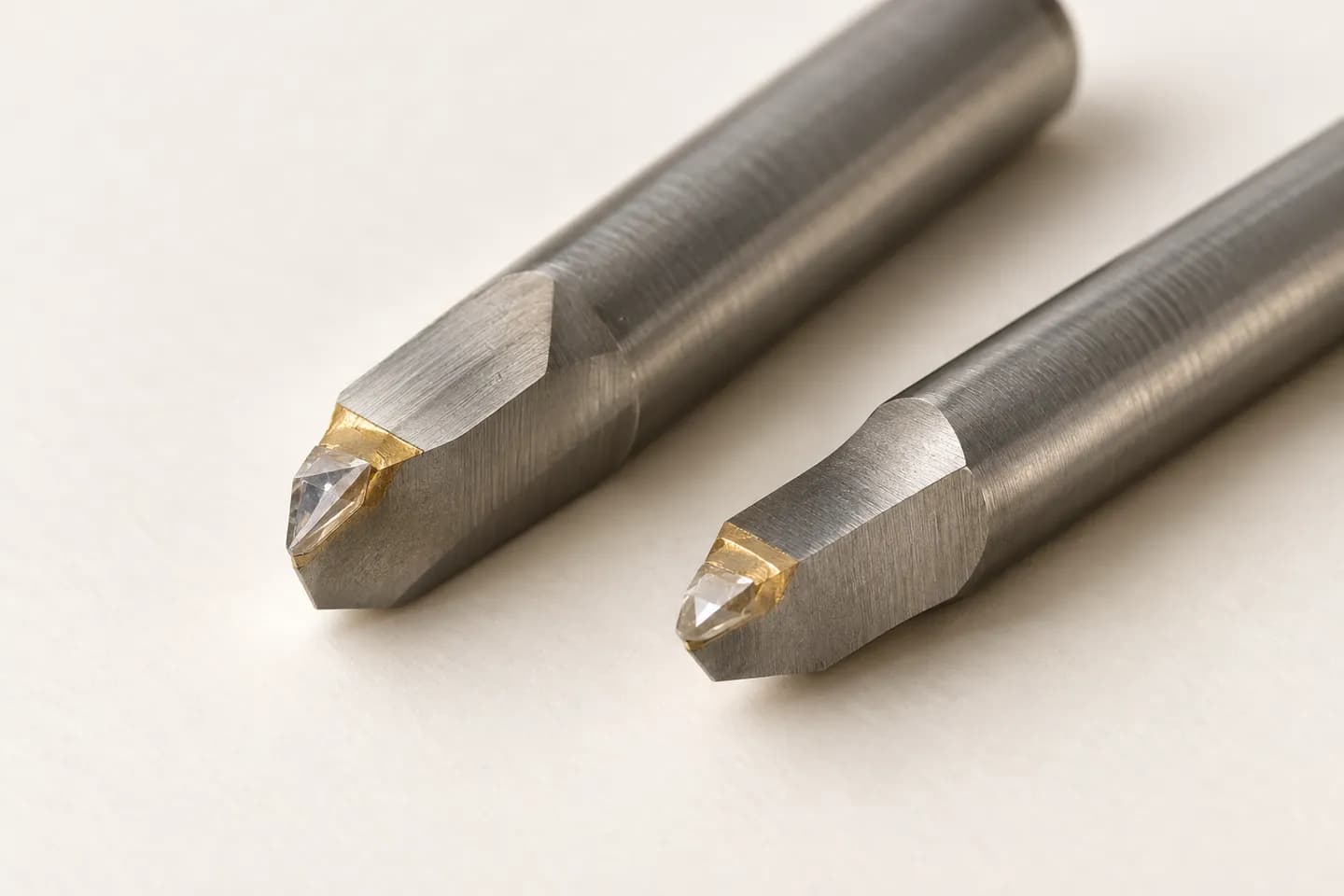
Requirement to review
Have a material requirement? Let’s review it.
Share your mechanical-grade diamond requirement, dimensions and drawing for review.