
Product family
Mechanical Tooling Cut, shape and resist wear
For manufacturers who need a diamond blank, tool or wear part matched to their workpiece and process.
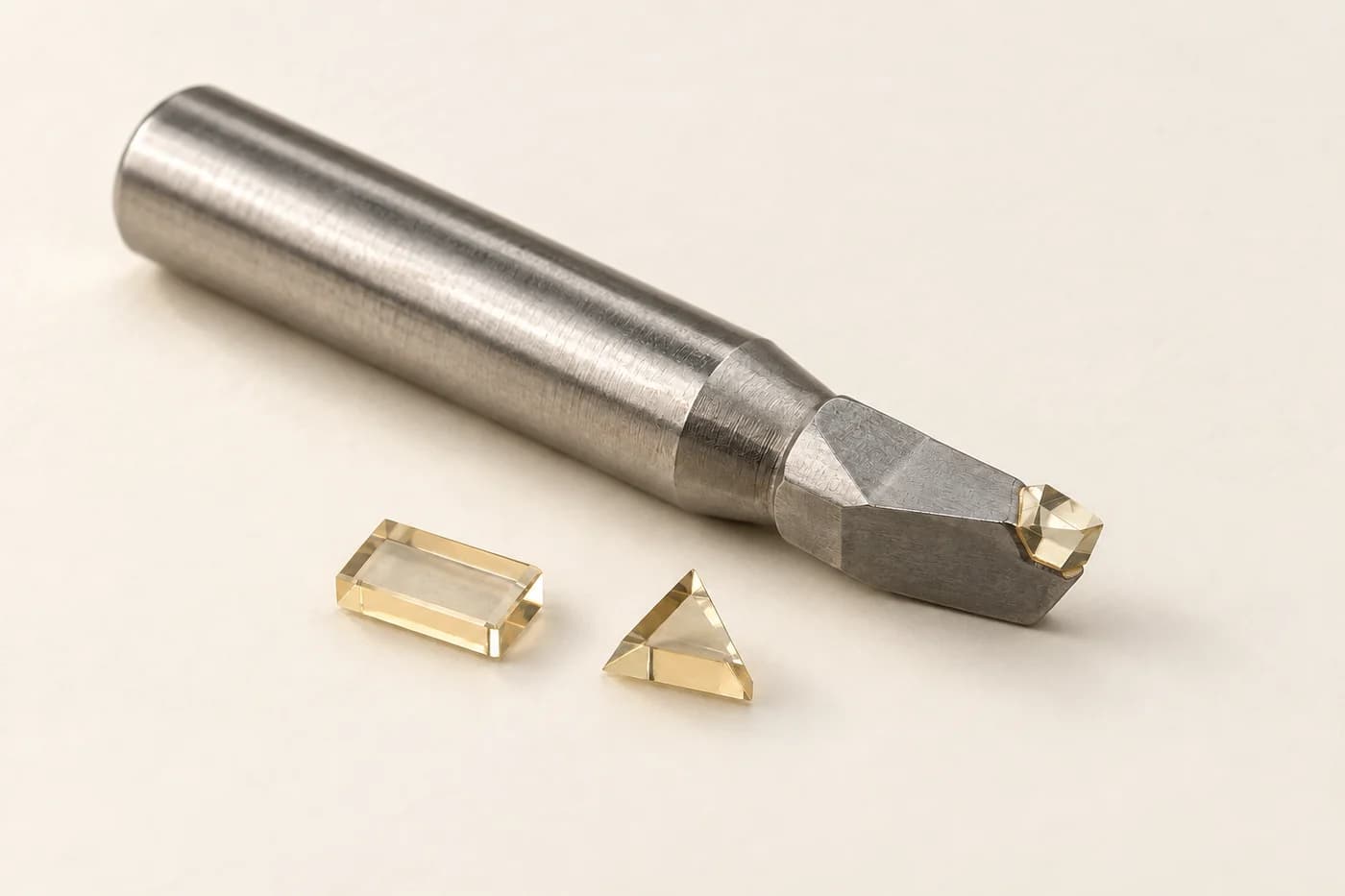
Diamond tooling for your process
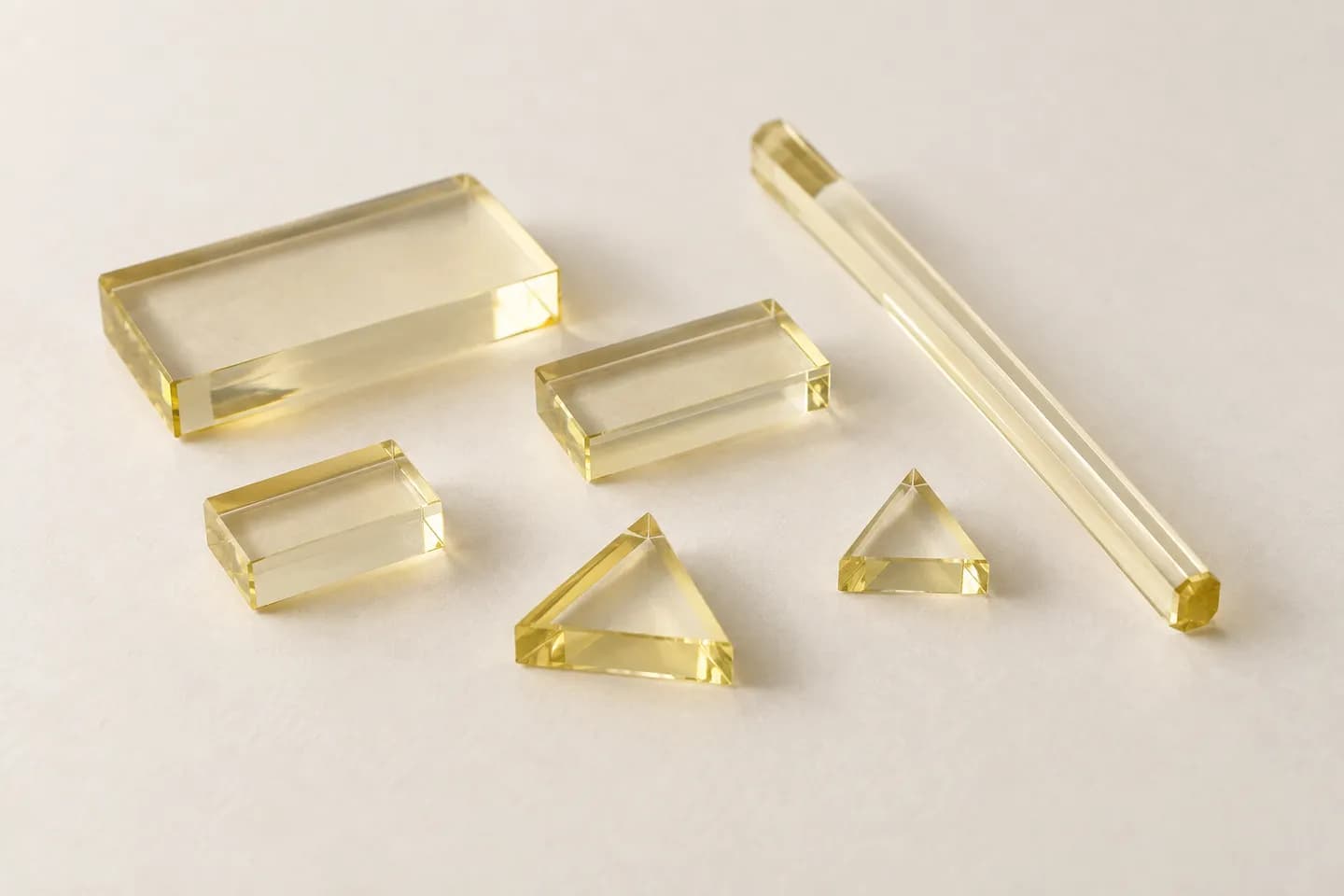
Single-Crystal Diamond Tool Blanks
Single-crystal pieces prepared to be made into precision cutting tools.
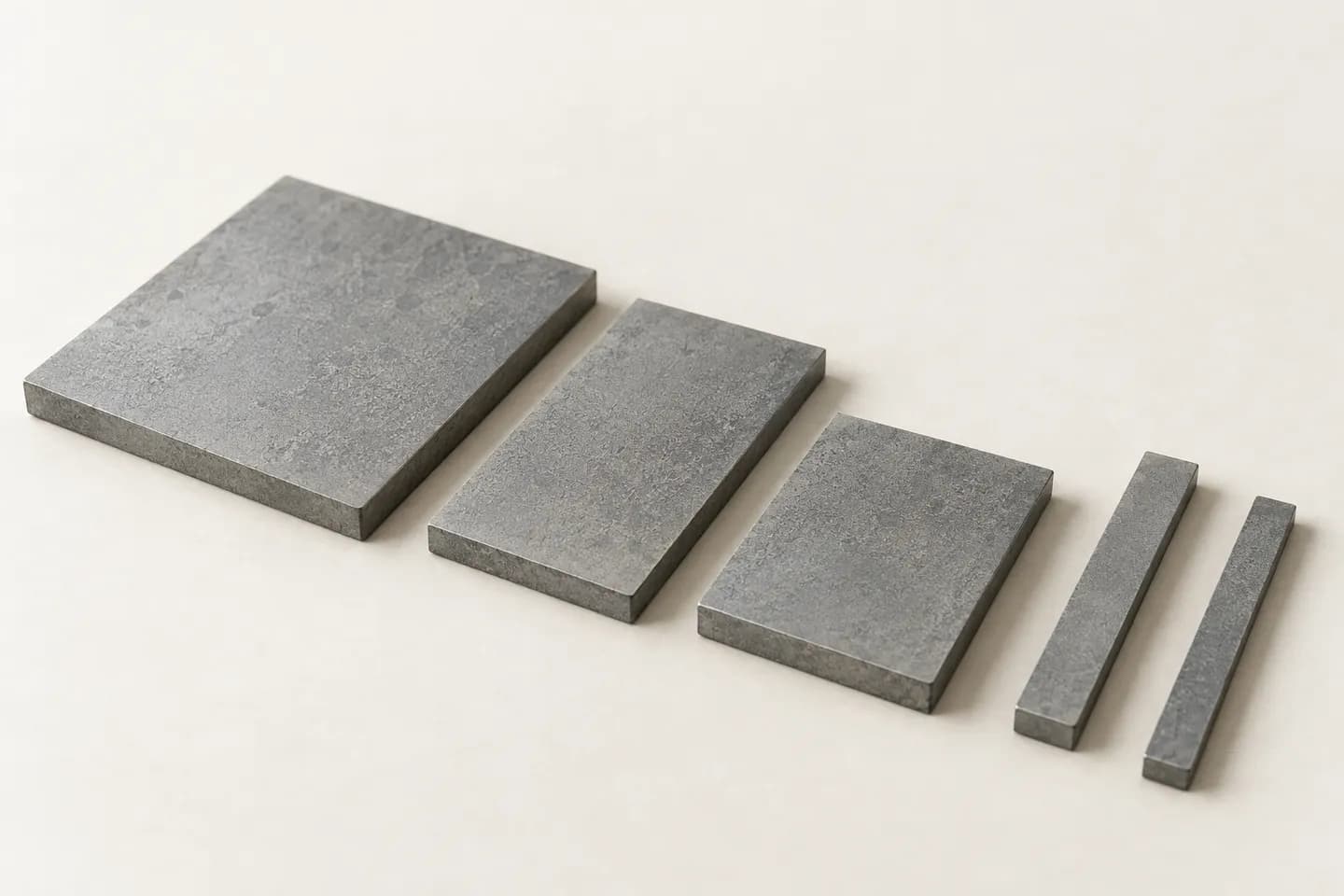
Mechanical-Grade Diamond
For cutting edges and wear surfaces where mechanical duty drives the choice of diamond.
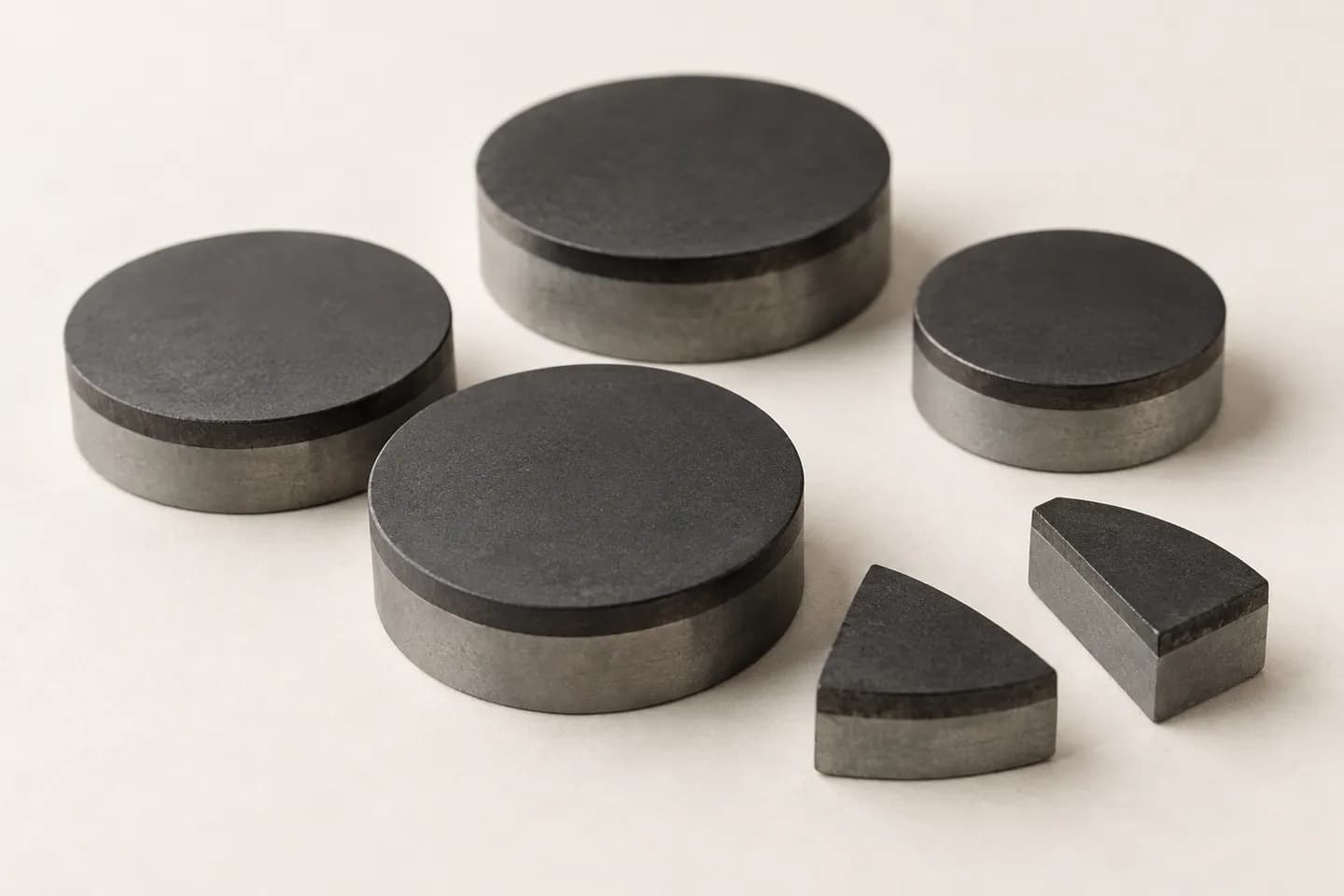
Sintered Polycrystalline Diamond
Diamond grains consolidated into tooling material; not the same as CVD polycrystalline diamond.
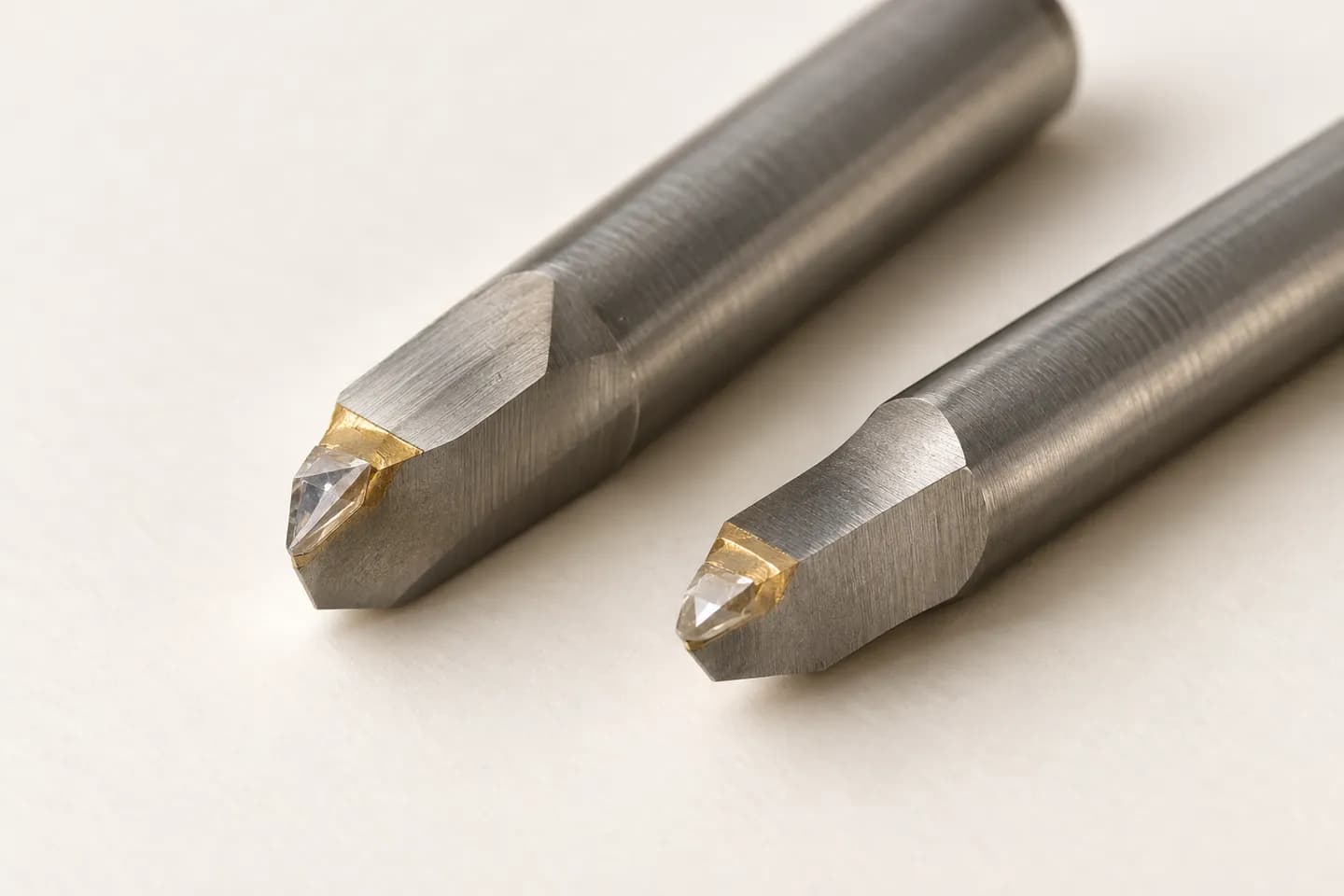
Finished Diamond Tools
Choose a finished cutting geometry instead of an unfinished blank.
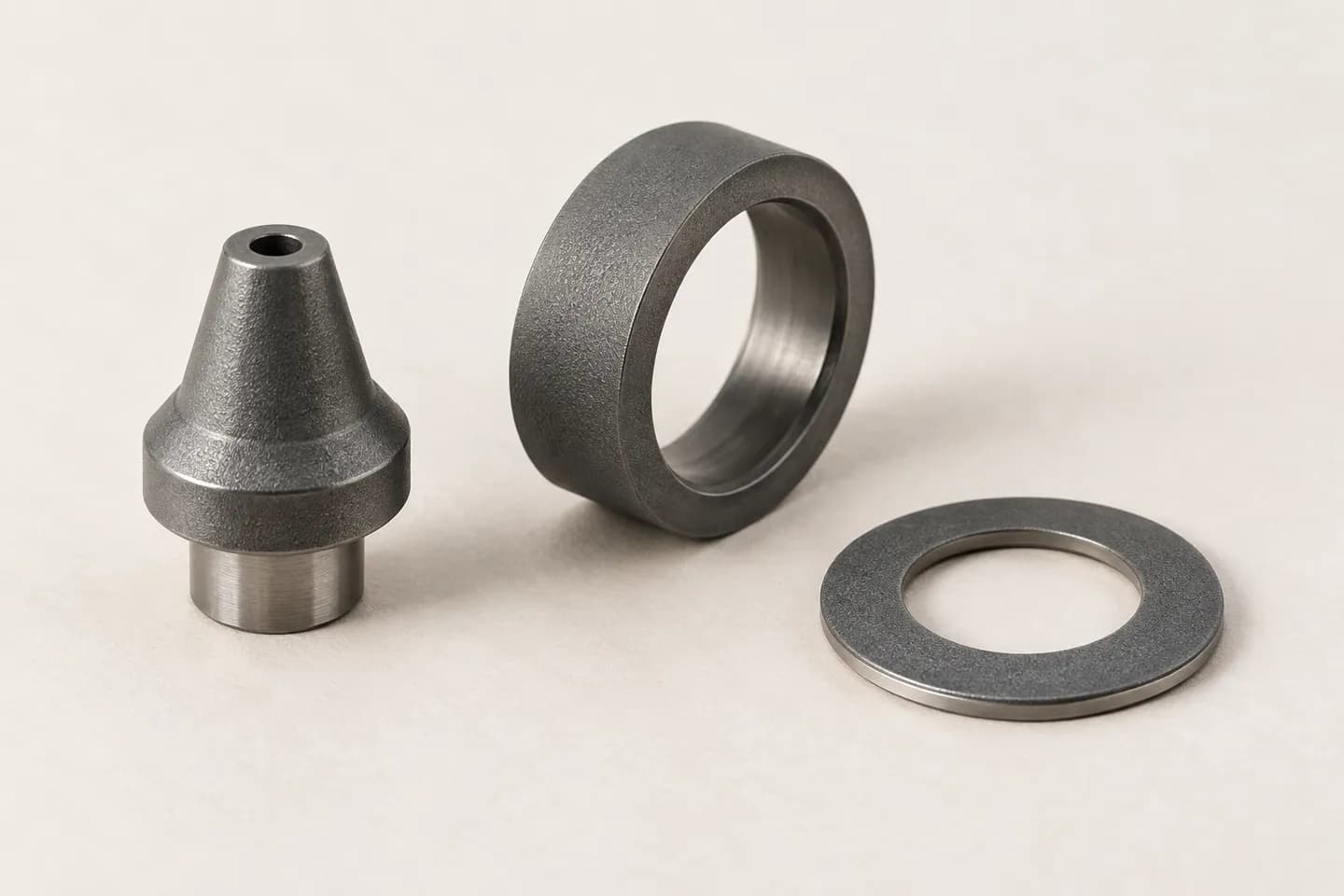
Diamond Wear Components
For contacts that must hold their geometry under repeated mechanical use.
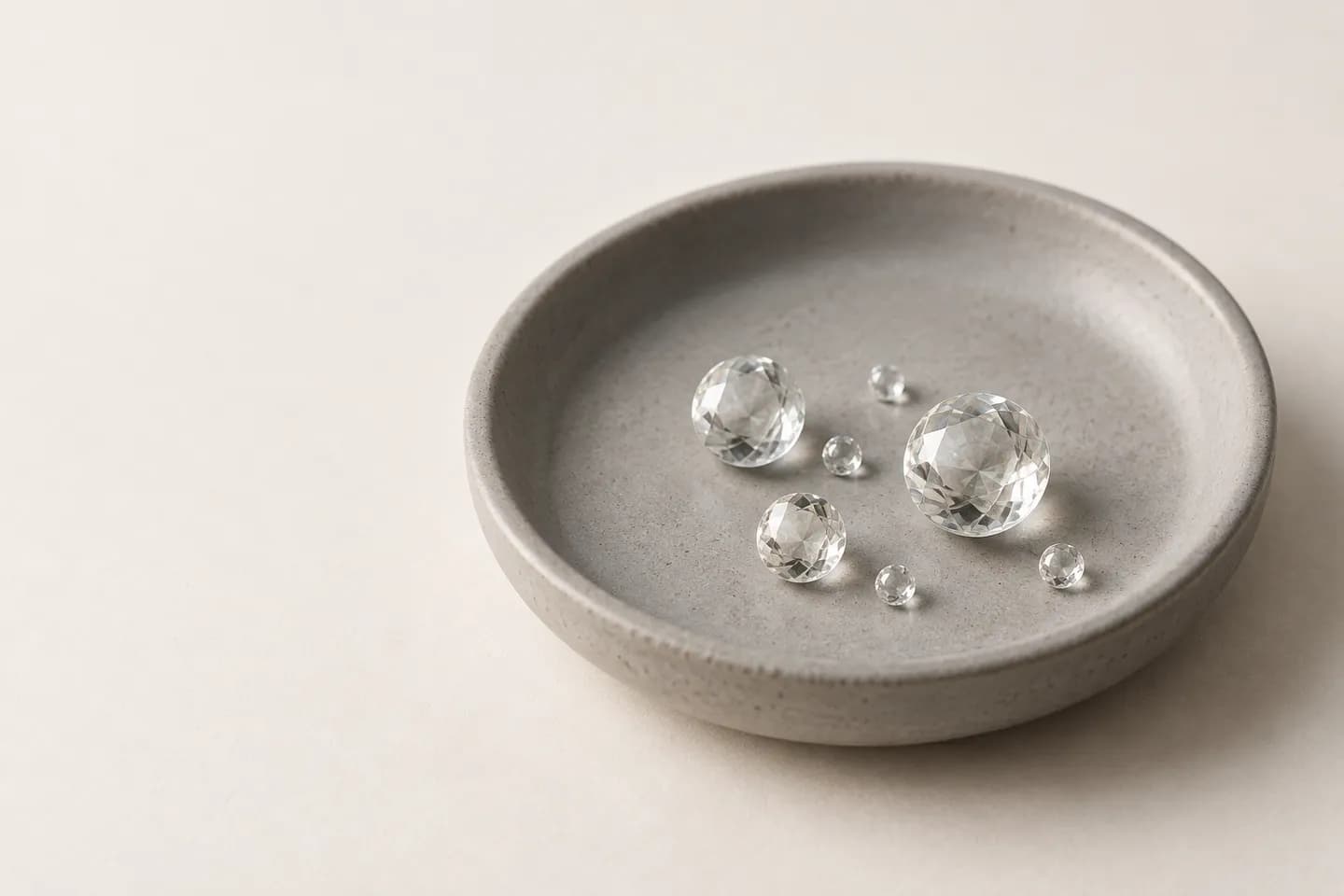
Diamond Balls
Diamond-surfaced spheres where you need an accurately shaped, wear-resistant contact.
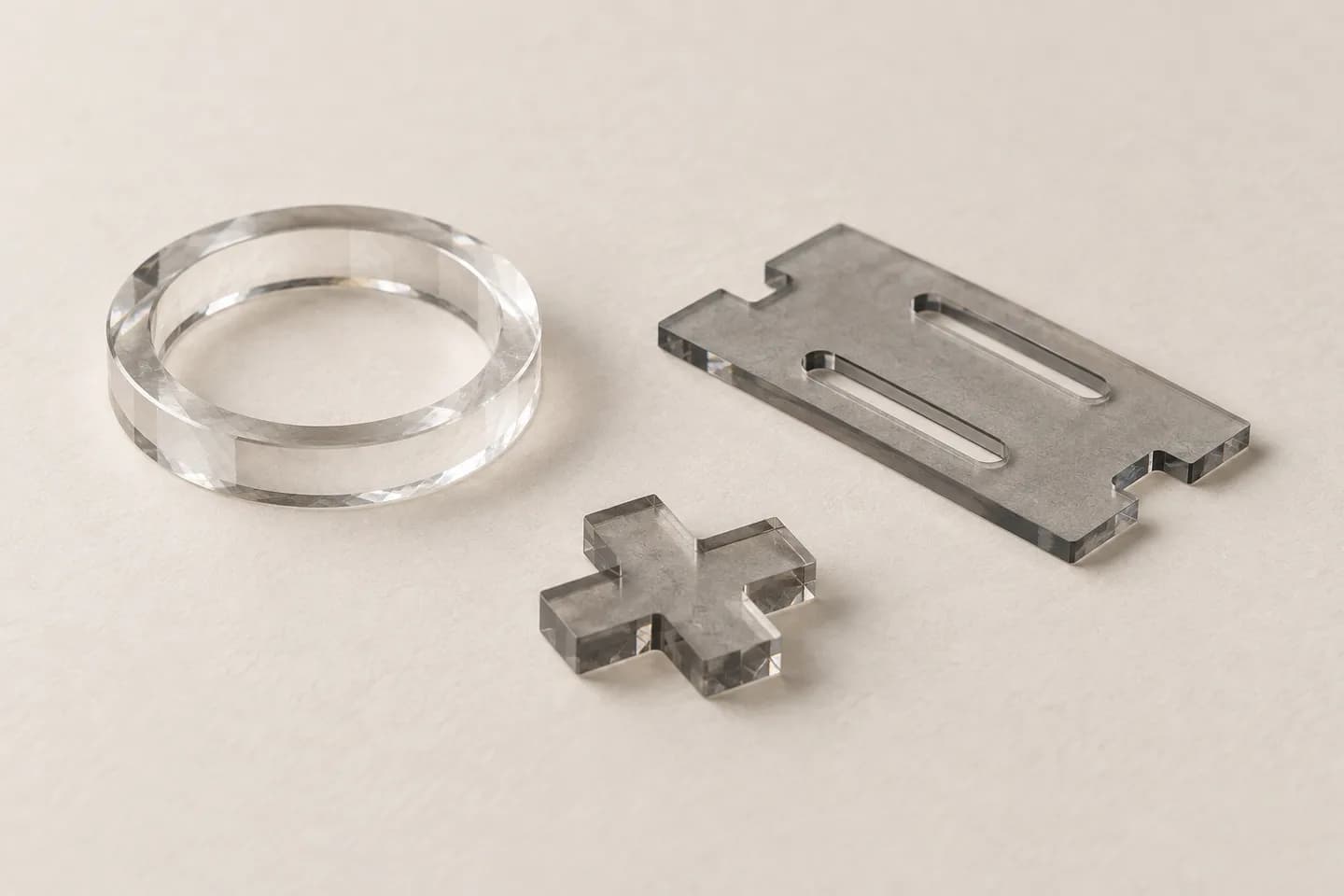
Custom Diamond Components
For parts outside standard plates, discs or blanks; start from your drawing.
Product images are representative.
What we will ask you
Bring what you know. We confirm the details with you during technical review.
- What are you cutting or wearing against?Workpiece material and your operating conditions.
- What tool shape and edge do you need?Tool geometry, edge finish and how the tool mounts.
- What wear or size limits apply?Acceptable wear, dimensional tolerances and surface requirements.
Full specification checklist for engineers
Dimensions & tolerances
- Lateral size, outline or diameter, and tolerancemm
- Edge condition and chip limit
- Tool profile, edge radius, and rake and clearance anglesµm or °
- Profile, curvature or focal lengthmm
- Roundness and sphericityµm
- Drawing dimensions and tolerancesmm
Crystal & purity
- Face orientation, edge orientation and miscut
- Inclusions, growth sectors and defects
- Crystal type, grade and grain size
Surface & finish
- Surface finish condition (as-grown, lapped or polished)
- Surface roughness per sidenm Ra
Material properties
- Diamond-layer thickness and backing materialmm
Optical performance
- Coating construction and thicknessnm
Integration & packaging
- Operating load, medium and environment
- Mounting interface, host fit and attachment
- Inspection plan and documentation
Common questions
All questionsWhich diamond tool form should I choose?
Choose single-crystal blanks for very sharp, fine-finish edges. Choose sintered PCD for tougher general cutting. Choose finished tools for a ready geometry. Workpiece, temperature and finish requirement decide.
Does hardness alone make diamond suitable for my tool?
No. Workpiece chemistry, temperature, loading and required surface finish all matter. Diamond is generally unsuited to ferrous metals, for example. We review your conditions before agreeing a form.
What do you need from me to quote a tool or wear part?
Workpiece material, operating conditions, tool or contact geometry, dimensions and tolerances, and surface finish. A dimensioned drawing is best. Custom shapes are reviewed for feasibility.
Requirement to review
Have a material requirement? Let’s review it.
Share your mechanical tooling requirement, dimensions and drawing for review.