
Telecom, RF & Radar Keep RF power devices cooler
GaN RF devices run hot at high power. Diamond lowers the thermal barrier between junction and heat sink.

Where diamond helps
Diamond is used in telecom, RF and radar to remove heat from high-power GaN devices, so junction temperature stays lower at a given output. Buyers consider diamond heat spreaders, GaN-on-diamond stacks and copper–diamond composites. The right form depends on power density, interface quality and the package.
The challenge
High junction temperature
Power amplifiers concentrate heat in small transistor areas, which limits output and shortens device life.
Interface reliability
Bonds between semiconductor, substrate and package must survive repeated heating and cooling.
Size and weight limits
Phased arrays and handheld radios leave little room for larger heat sinks.
How diamond helps
Spreading with Thermal Components
Diamond heat spreaders and submounts move heat away from the device into the package.
Closer contact with Integrated Substrates
GaN-on-diamond and GaN bonded to diamond wafers reduce the distance between transistor and diamond.
Expansion balance with Diamond Composites
Copper–diamond and silver–diamond composites offer a base plate that can be tuned towards the expansion of attached parts.
Relevant products
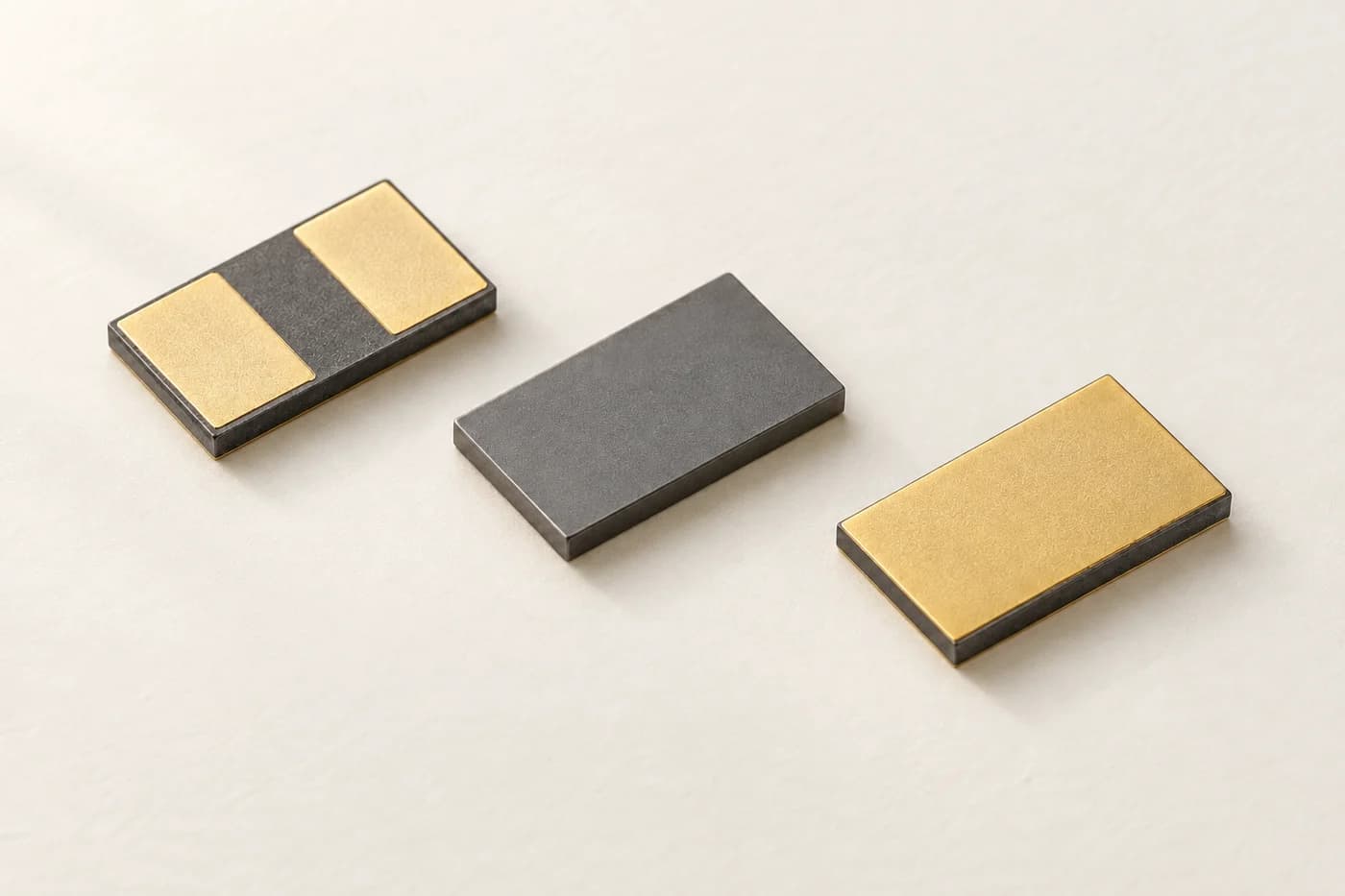 Thermal ComponentsFor engineers whose device runs too hot and who need a short path to the cooling system.
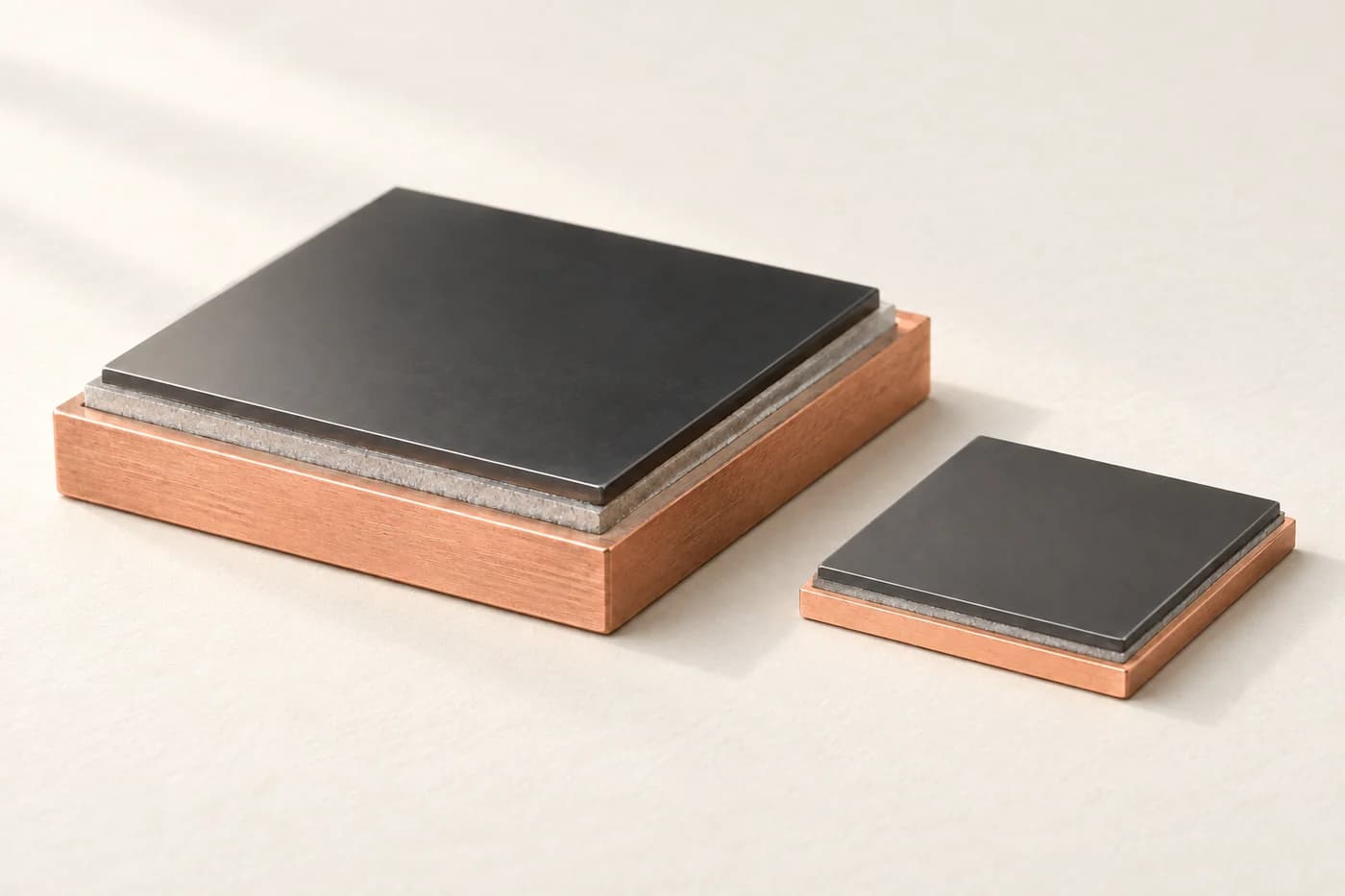 Integrated & Bonded SubstratesFor teams building diamond into a device stack, with bonded, grown or clad layers and a defined interface.
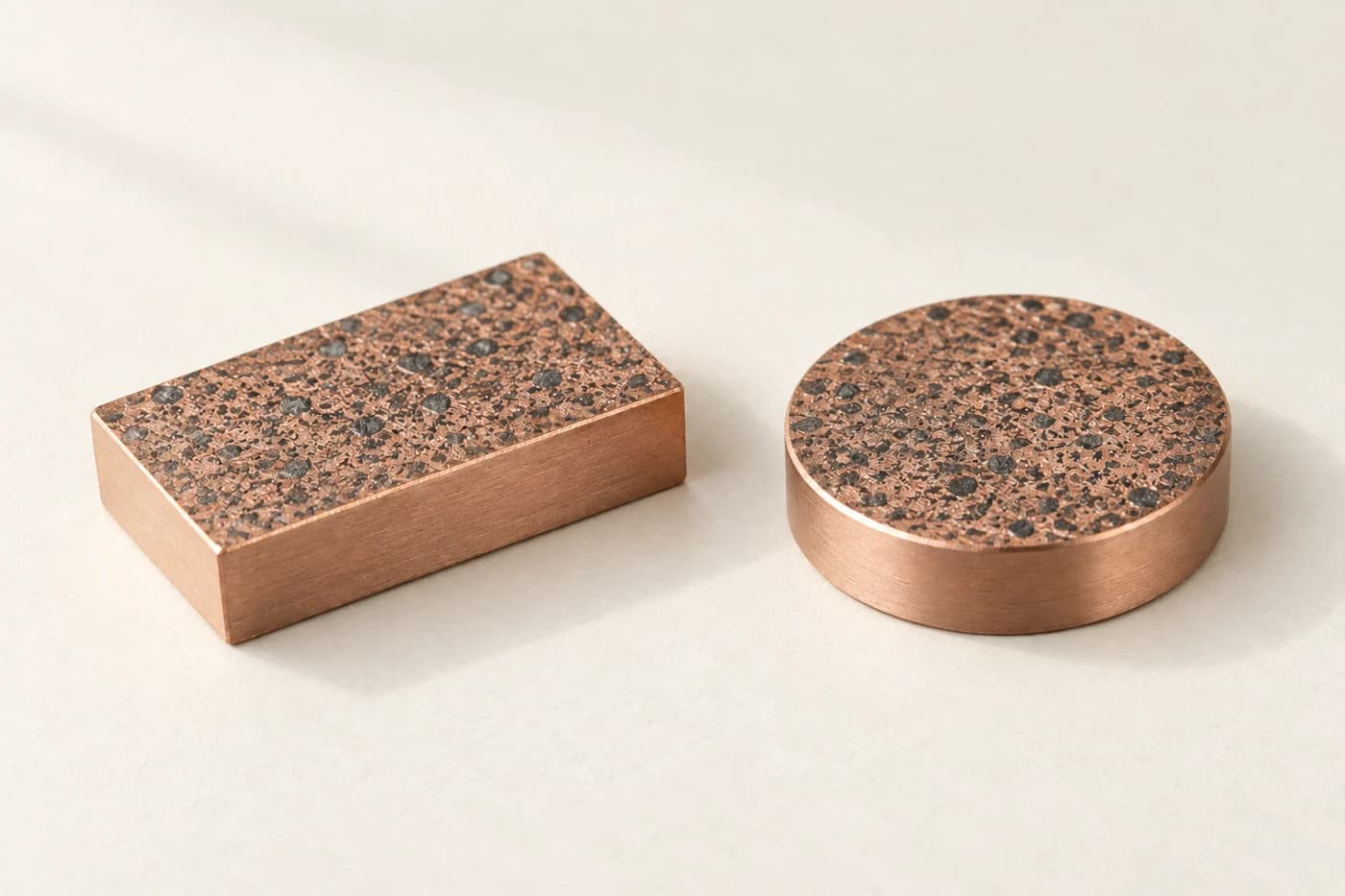 Diamond CompositesFor thermal designers who need diamond's heat conduction in a matrix that suits their package and joining route.
Common questions
What is GaN-on-diamond?
GaN-on-diamond places gallium nitride close to a diamond heat-conduction layer, by growth or bonding. The aim is to carry heat away from the transistor more effectively. Feasibility depends on the proposed layer stack and the supply scope.
Does ADAMYX supply GaN-on-diamond wafers off the shelf?
No. These are integration routes reviewed project by project, not stock wafers. Send your layer stack, wafer size and thermal target and we will confirm what is feasible.
When should I choose a composite instead of pure diamond?
Choose a composite when you need a machinable base plate with tuned thermal expansion. Choose diamond when peak thermal conductivity is the priority. Composite behaviour depends on formulation, so values are confirmed in technical review.
Other applications
Requirement to review
Define the next step. Together.
Bring the application, the constraints and the outcome you need. We’ll help scope the engineering review.