
Product family
Optical Components Diamond optics for demanding beams
For optical designers who need a window, lens or element that transmits at their wavelength and handles heat.
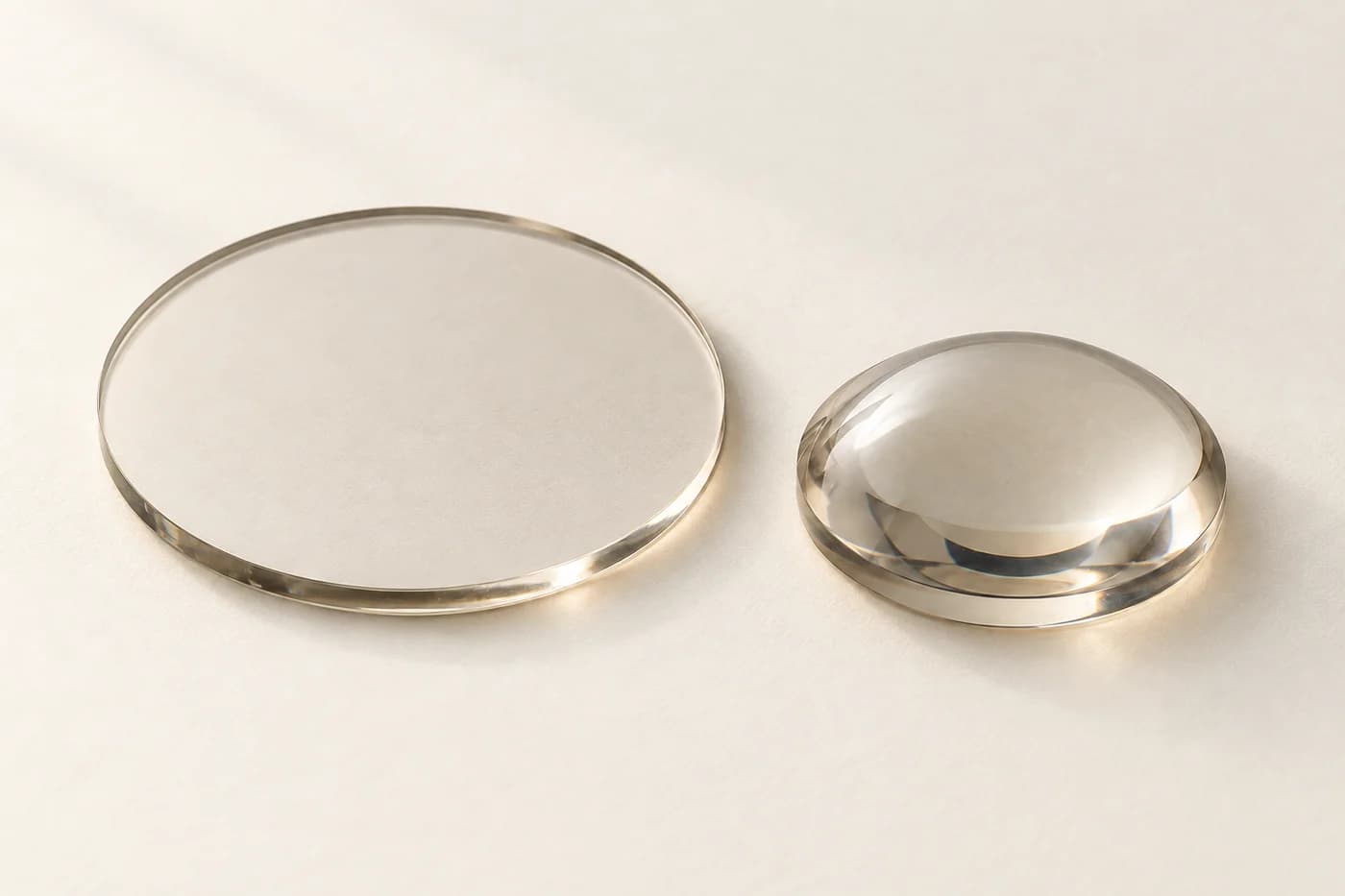
Optical forms for your beam path
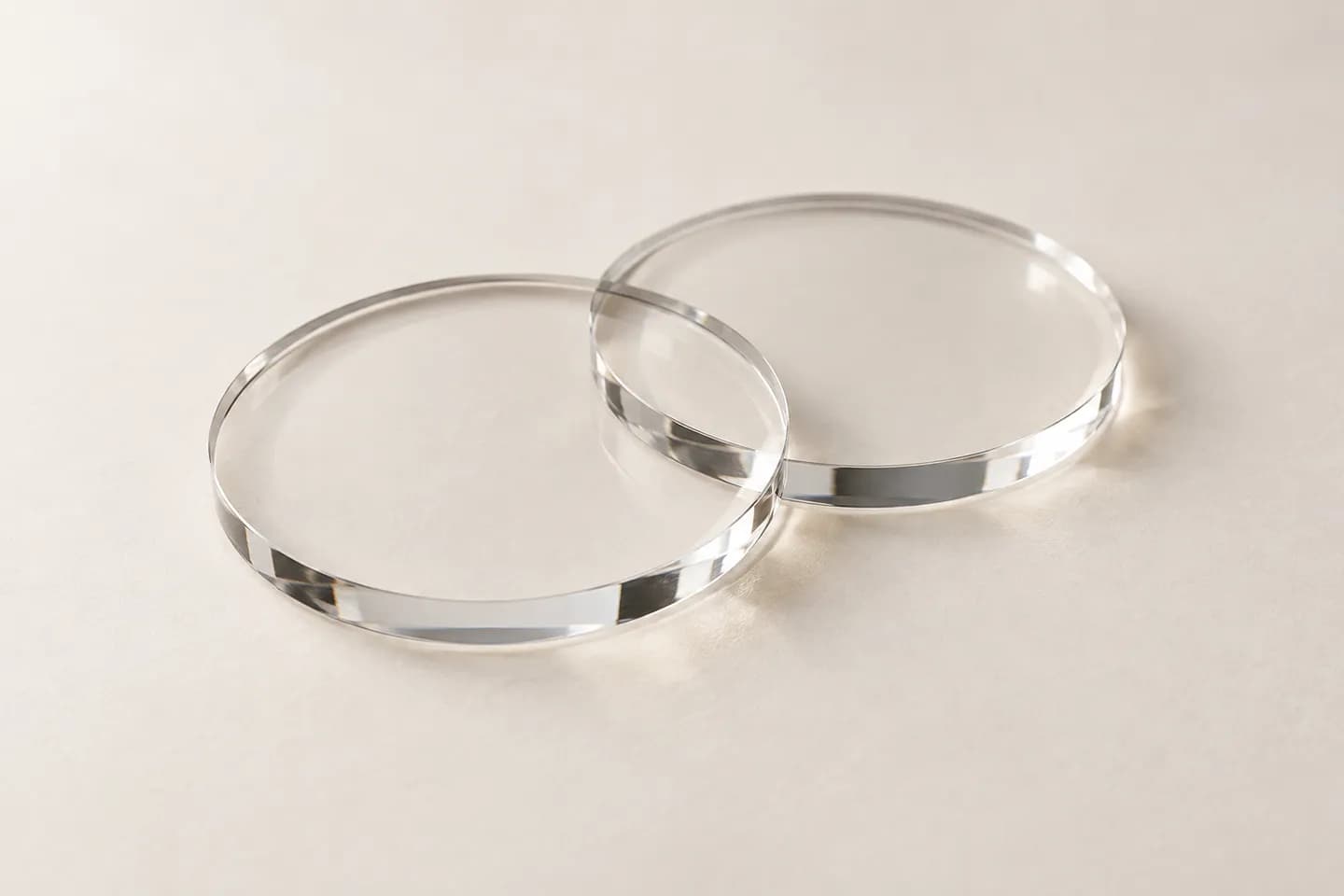
Optical-Grade Diamond Plates
Polished plates for optics, chosen for performance at your operating wavelength.
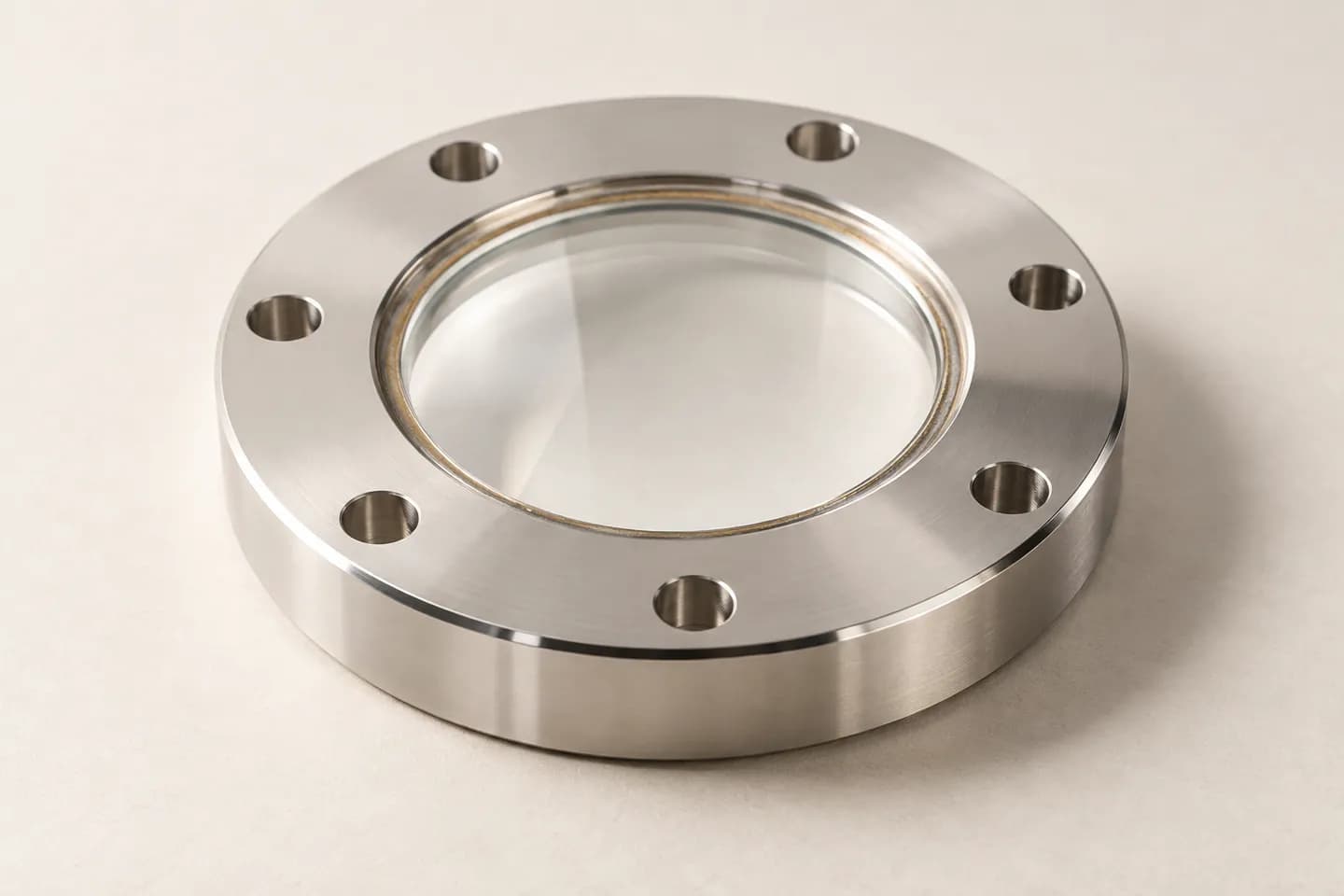
Diamond Windows
Lets a beam through while keeping two environments separate.
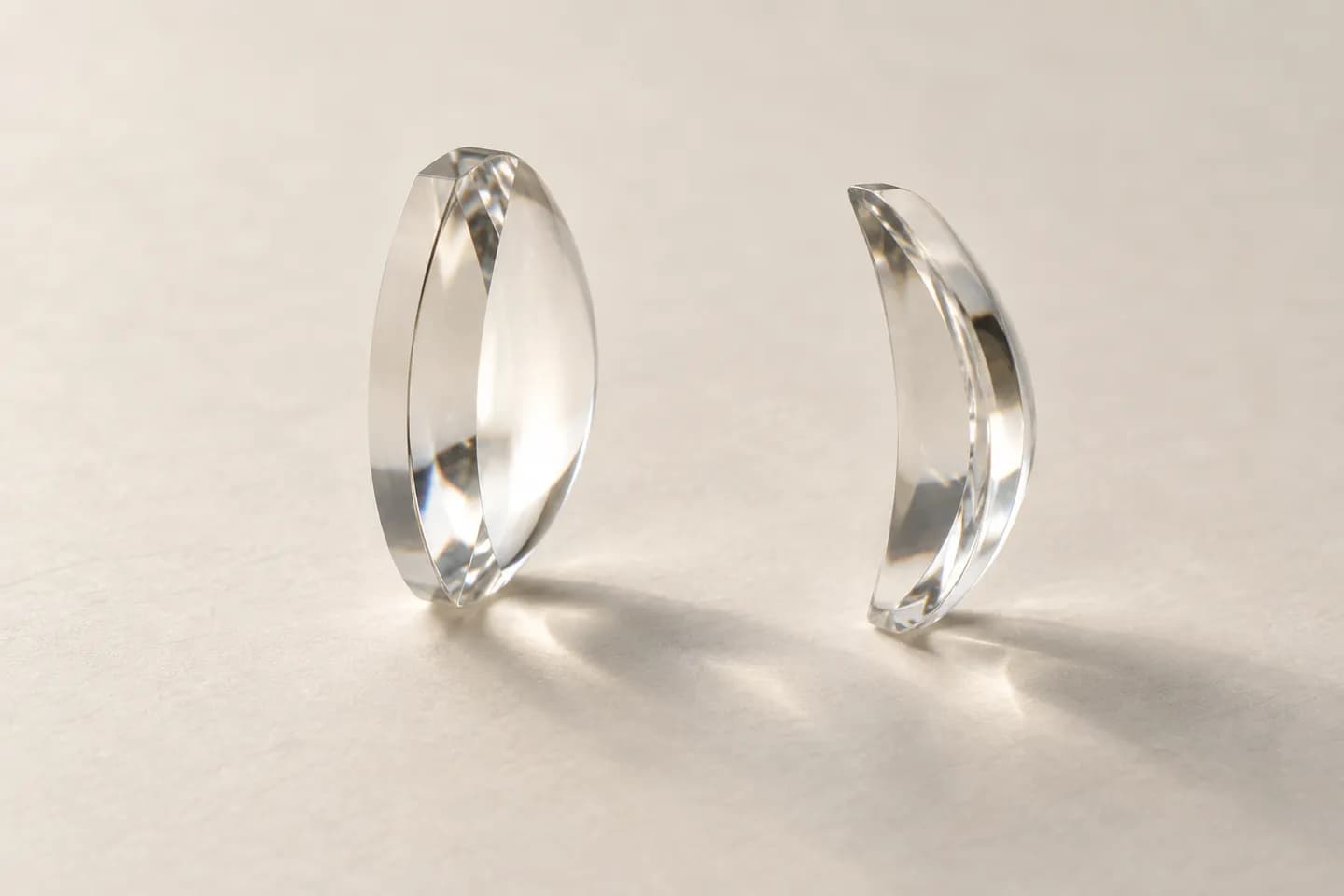
Diamond Optical Lenses
Curved diamond optics that focus or shape light.
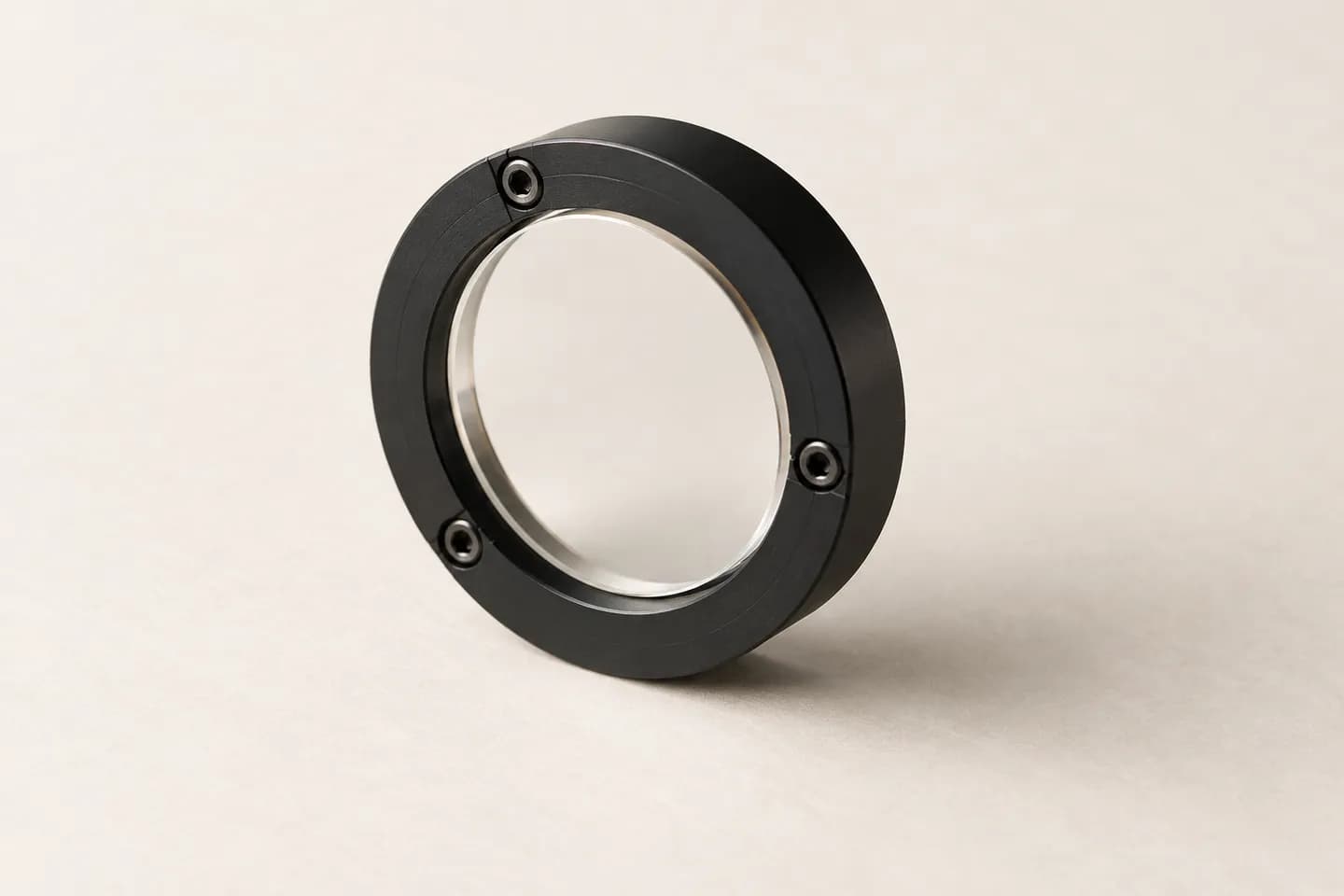
Diamond Beam Splitters
Divides a beam into transmitted and reflected paths.
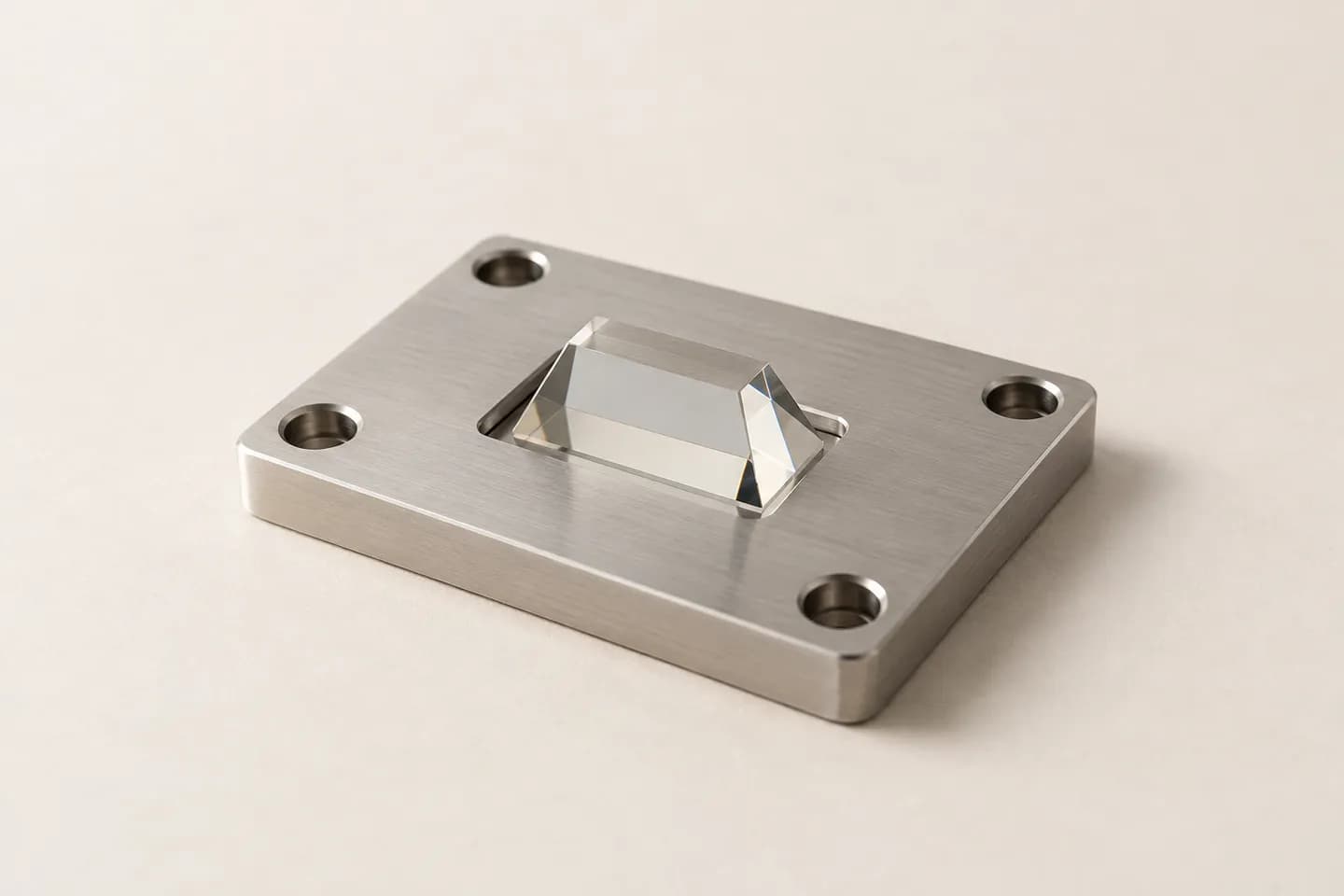
Diamond ATR Units
For ATR spectroscopy, where light probes the sample at the diamond surface.
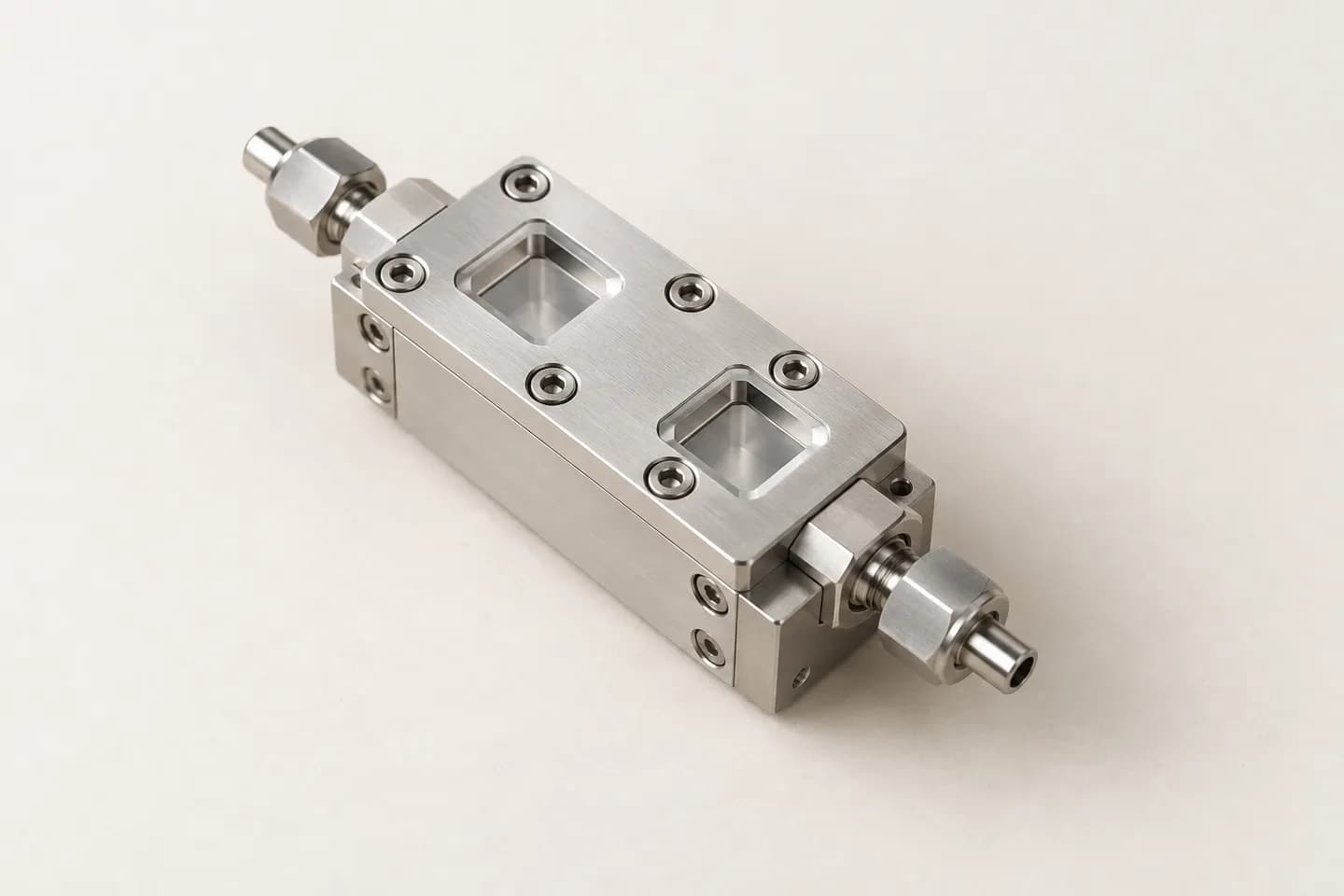
Diamond Liquid Cells
Holds a liquid in a defined optical path for spectroscopy.
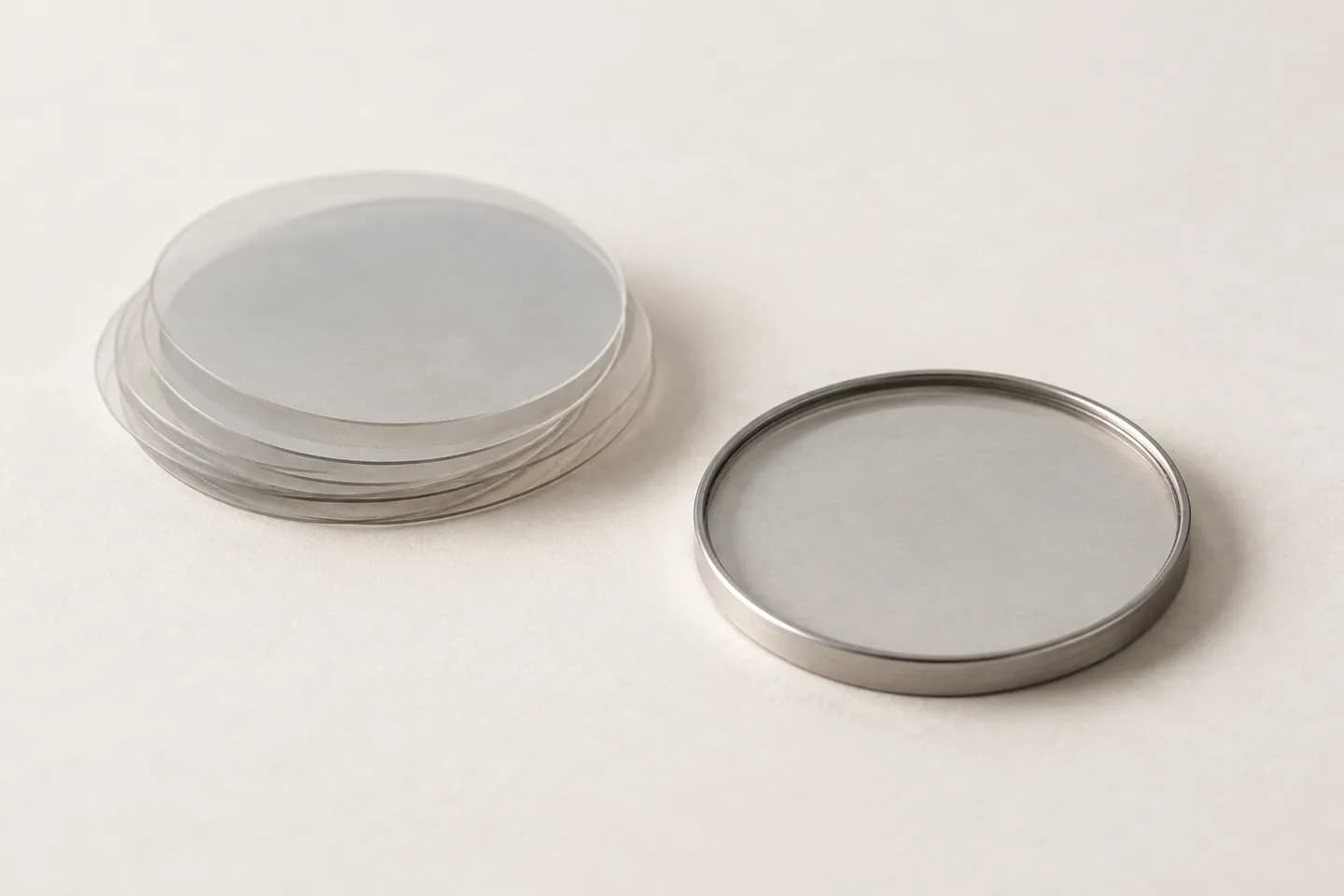
Diamond X-ray Filters
Attenuates an X-ray beam and conducts absorbed heat to its mount.

Diamond X-ray Targets
Diamond supports the layer that generates X-rays and carries heat from the beam spot.
Product images are representative.
What we will ask you
Bring what you know. We confirm the details with you during technical review.
- Which wavelengths must it transmit?Your operating band and the absorption you can accept.
- What aperture and shape do you need?Clear aperture, thickness, curvature and angle of use.
- What surface quality and mounting apply?Surface targets and how the part will be held in place.
Full specification checklist for engineers
Dimensions & tolerances
- Clear aperturemm
- Thickness and tolerance (bulk or layer)mm
- Parallelism or wedgearcmin
- Flatness or surface figure, and bowµm or fringes
- Profile, curvature or focal lengthmm
- Reflection count and facet angles°
- Optical path lengthµm
Surface & finish
- Surface quality (scratch and dig)
- Surface roughness per sidenm Ra
Optical performance
- Transmittance over operating band or photon-energy range%
- Absorption coefficient at 10.6 µm and 1.064 µmcm⁻¹
- Coating construction and thicknessnm
- Split ratio and angle of incidence%
- Radiation type, energy range and beam sizekeV
Integration & packaging
- Pressure differential and temperature rangebar
- Seal integrity and chemical compatibilityatm·cc/s
- Heat load or beam powerW
- Mounting interface, host fit and attachment
Common questions
All questionsDoes optical grade mean uniform transmission?
No. Transmission varies with wavelength and thickness. Specify your operating band and allowable absorption for the actual thickness, so the material can be assessed against your use.
How do I specify a diamond window?
State the clear aperture, thickness, wavelength range, pressure differential if any, seal method and coatings. A drawing helps. We confirm feasibility for your application in technical review.
When should I use a diamond ATR unit?
Use one for spectroscopy of samples that are hard, corrosive or abrasive, because diamond is durable and chemically inert. Reflection geometry, facet angles and spectral range must match your instrument.
Requirement to review
Have a material requirement? Let’s review it.
Share your optical components requirement, dimensions and drawing for review.