
Product family
Diamond Materials The right crystal, grade and finish
For engineers choosing a diamond crystal, grade or surface before it becomes a component.
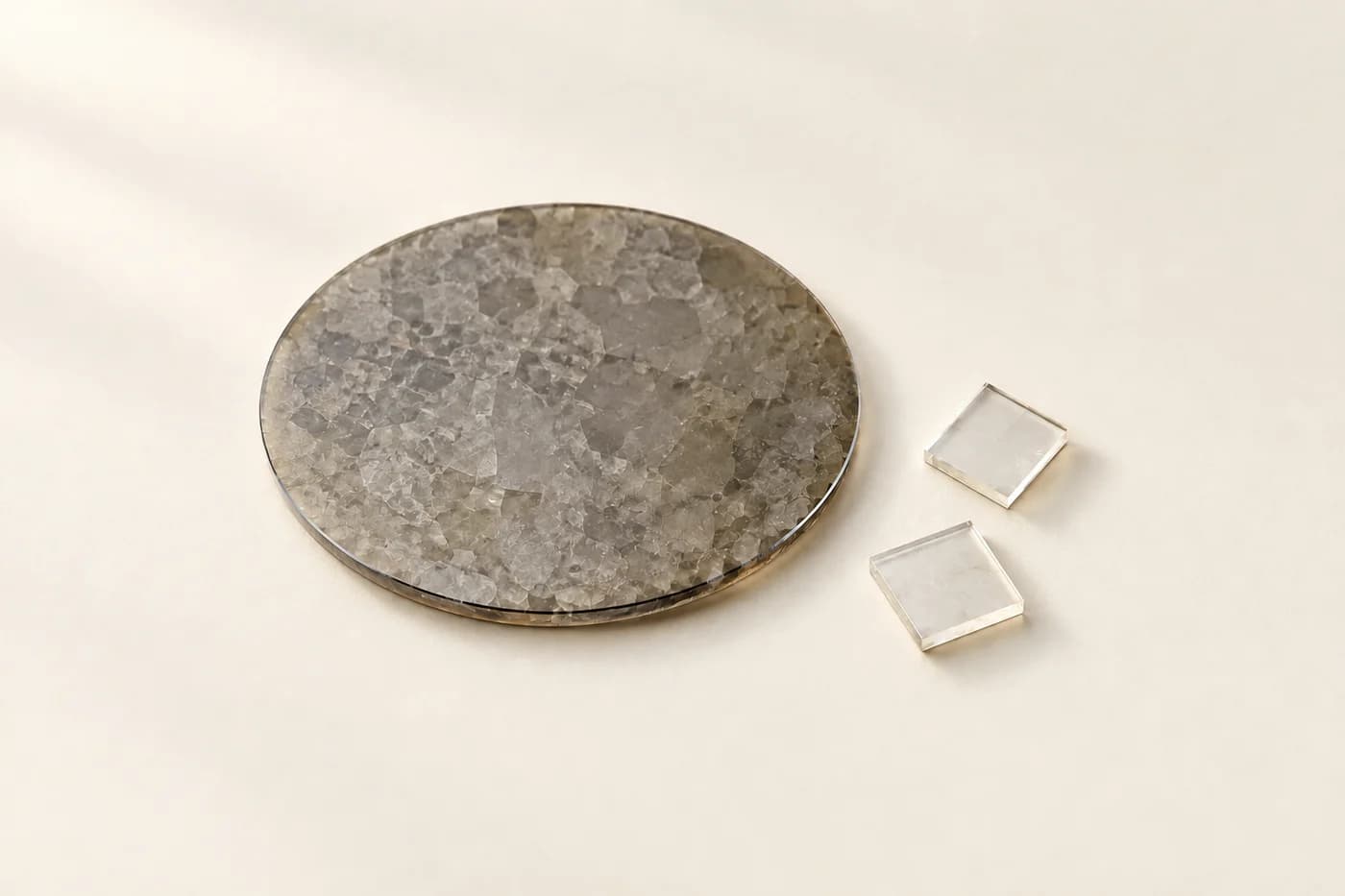
Diamond forms for your design
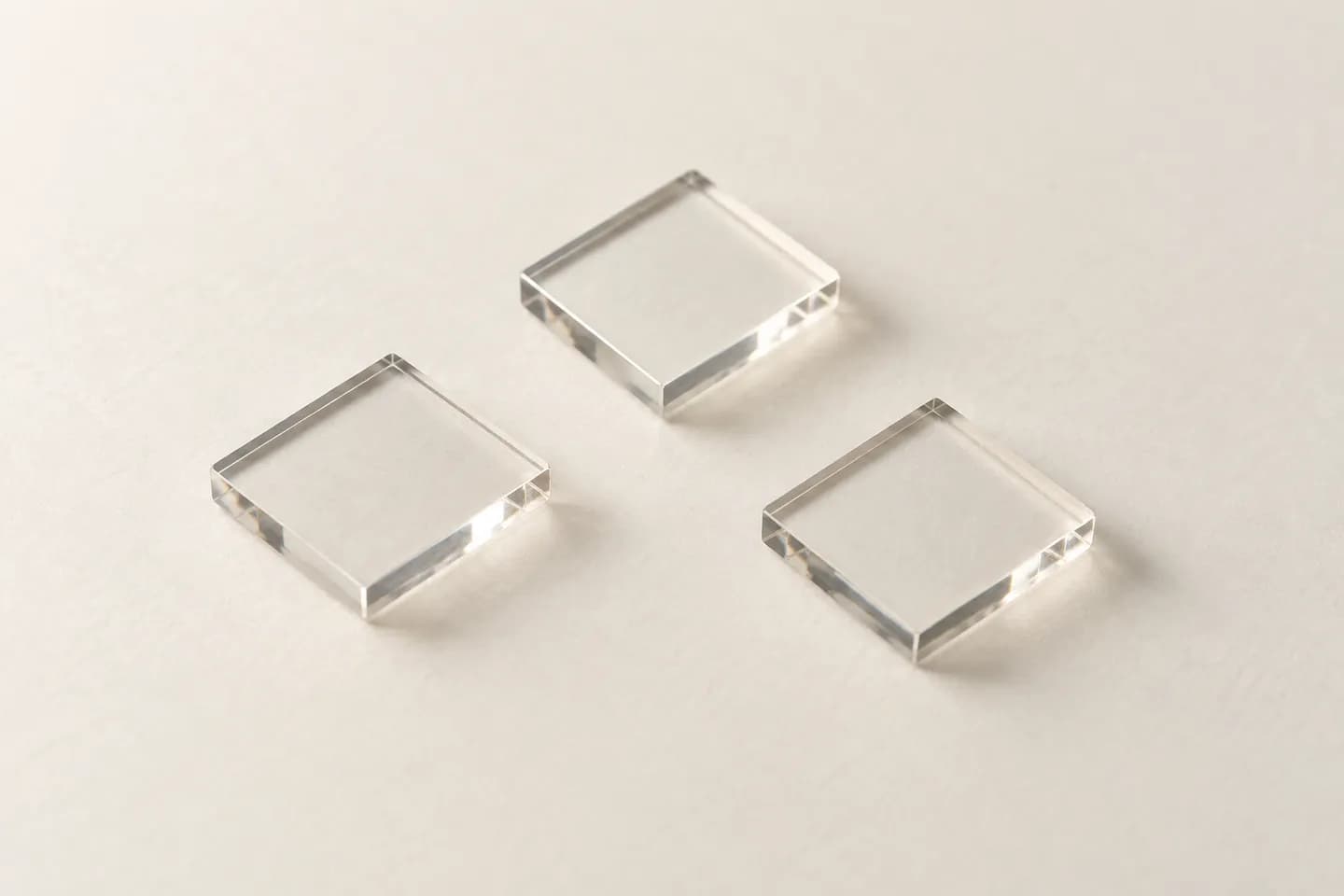
Single-Crystal CVD Diamond
Choose it when you need one continuous crystal with no grain boundaries.
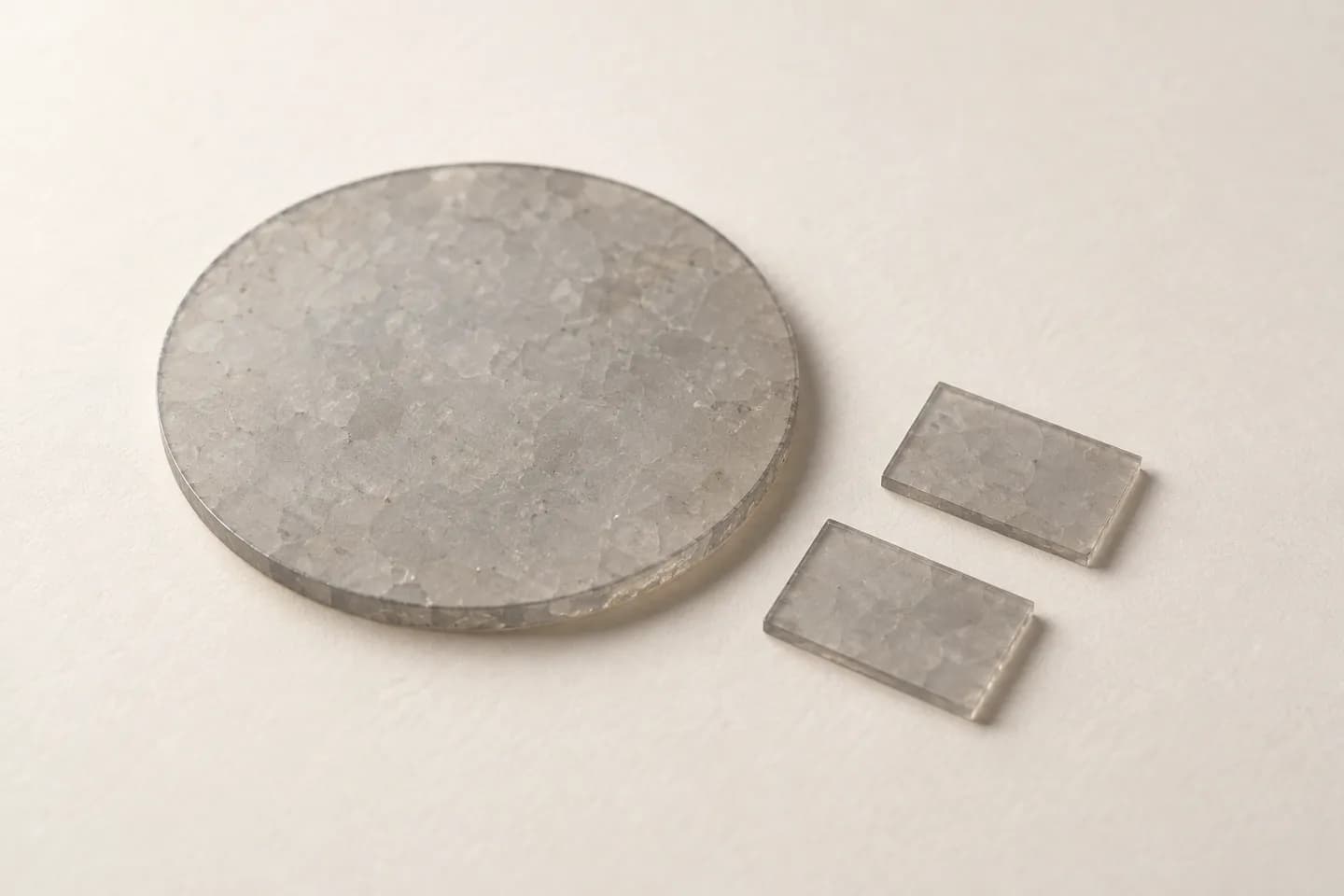
Polycrystalline CVD Diamond
A practical choice for discs, plates and shaped parts made from many diamond grains.
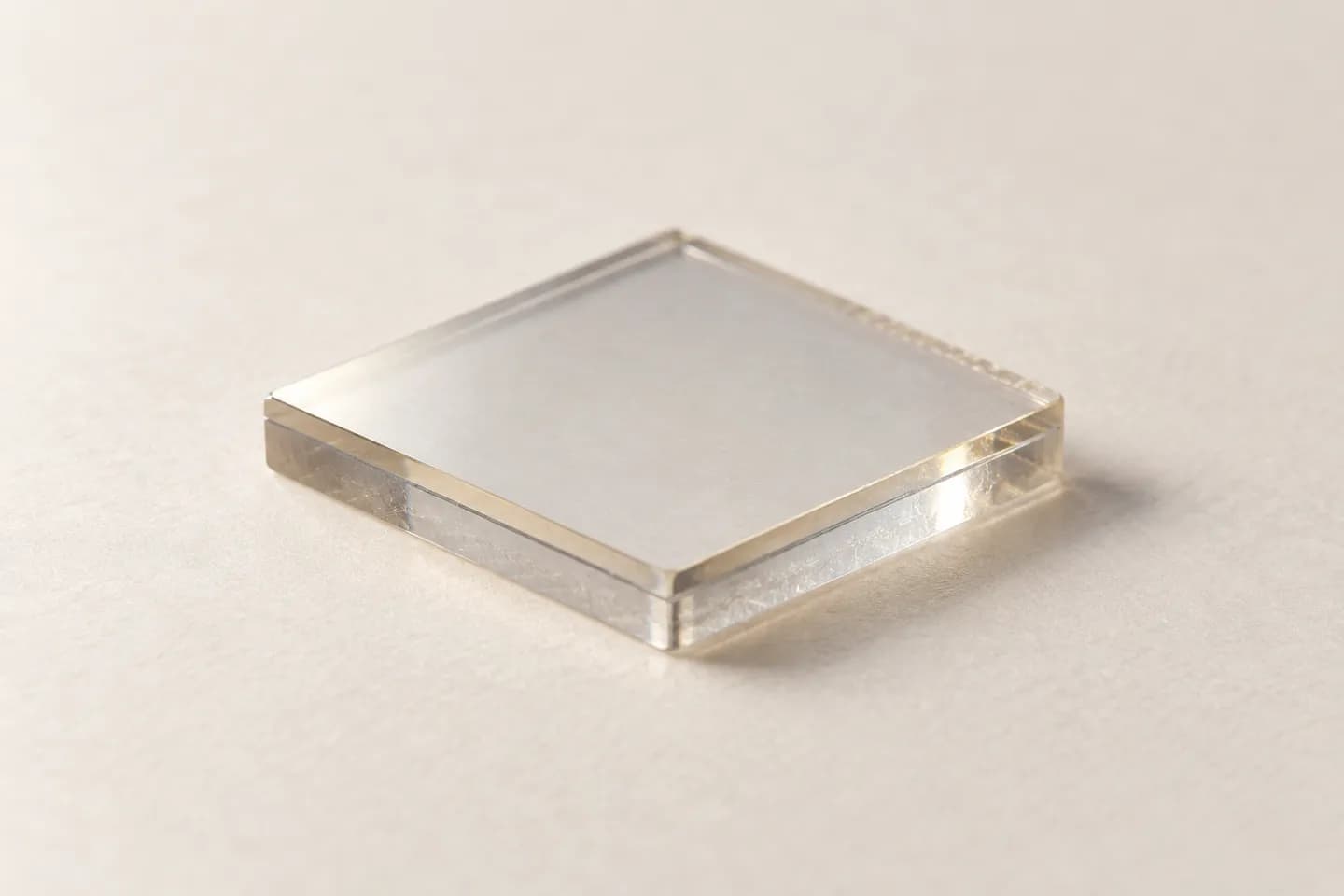
Epitaxial Diamond Layers on SCD
A diamond layer grown to follow the crystal orientation of its single-crystal substrate.
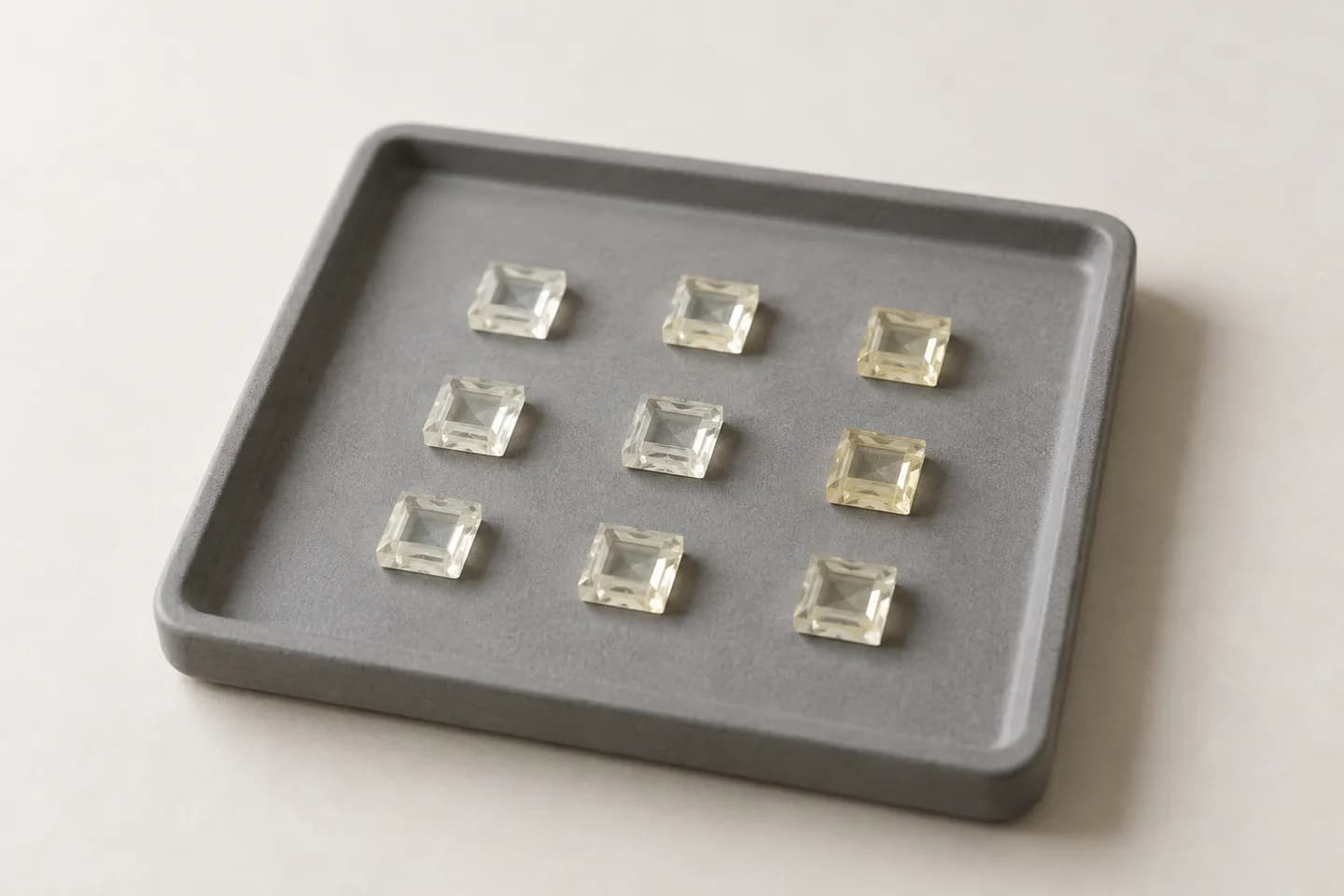
CVD Diamond Seed Crystals
Single-crystal starting surfaces for growing further CVD diamond.
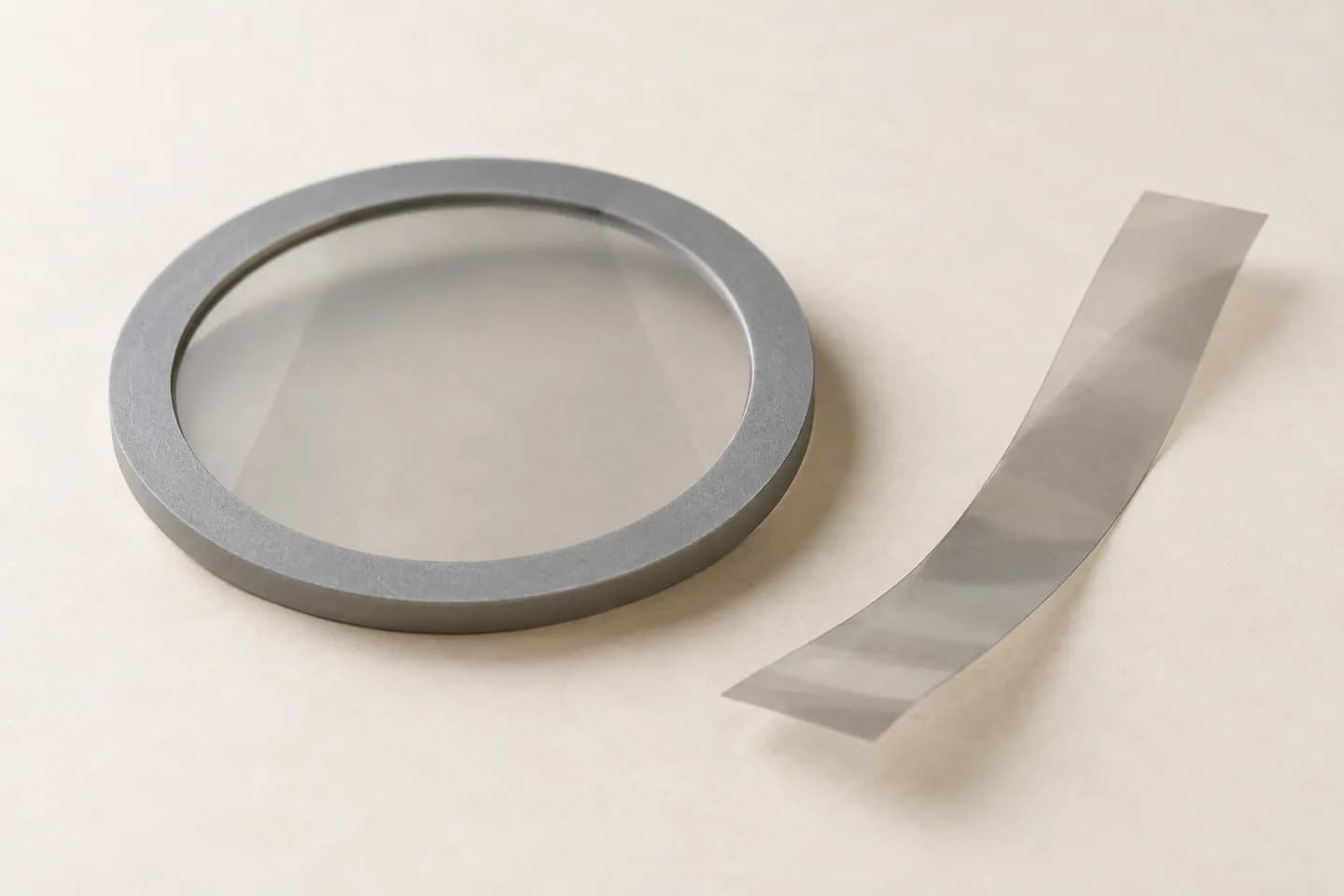
Diamond Films, Foils & Membranes
Thin diamond as a free-standing foil, or a membrane held on a frame.
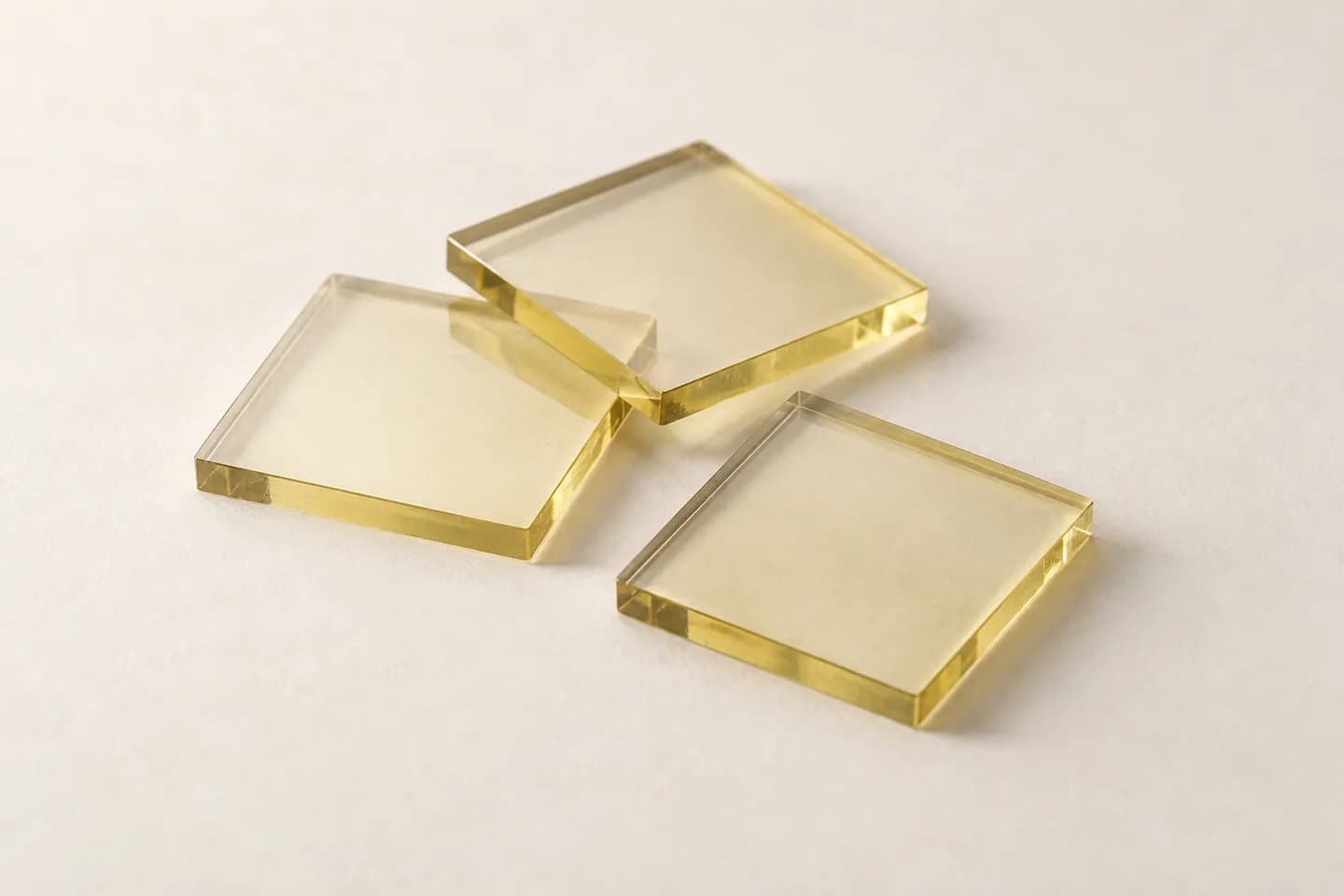
HPHT Single-Crystal Diamond
Single-crystal diamond from high-pressure synthesis, for when you want a non-CVD route.
Product images are representative.
What we will ask you
Bring what you know. We confirm the details with you during technical review.
- Which crystal type and grade do you need?Single-crystal or polycrystalline, and what it is for.
- What size and orientation must it be?Outline, thickness and crystal orientation from your drawing.
- How pure and how smooth must it be?Impurity limits, surface roughness and flatness targets.
Full specification checklist for engineers
Dimensions & tolerances
- Lateral size, outline or diameter, and tolerancemm
- Thickness and tolerance (bulk or layer)mm
- Edge condition and chip limit
- Flatness or surface figure, and bowµm or fringes
- Thickness uniformity (total thickness variation)µm
- Free-standing span and support framemm
Crystal & purity
- Face orientation, edge orientation and miscut
- Nitrogen content and detection limitppb or ppm
- Inclusions, growth sectors and defects
- Crystal type, grade and grain size
- Boron concentration and doping (layer or bulk)cm⁻³
Surface & finish
- Surface roughness per sidenm Ra
- Surface finish condition (as-grown, lapped or polished)
Optical performance
- Coating construction and thicknessnm
Common questions
All questionsHow do I choose between single-crystal and polycrystalline CVD diamond?
Choose single crystal when orientation and uniform properties matter. Choose polycrystalline when you need larger discs or plates. State the property that matters and how it is tested, because grades are not automatically interchangeable.
What do you need from me to quote a diamond plate?
Outline or diameter, thickness, crystal orientation if relevant, surface roughness, impurity limits and the intended use. A drawing is the clearest route. Values are confirmed for your application in technical review.
Is optical, thermal or electronic grade interchangeable?
No. Each grade is selected for a different property. Optical grade concerns absorption, electronic grade concerns impurities and defects, thermal grade concerns heat conduction. Tell us which property and test conditions apply.
Requirement to review
Have a material requirement? Let’s review it.
Share your diamond materials requirement, dimensions and drawing for review.