
Aerospace & Defence Thermal stability in harsh environments
Space and defence electronics face tight mass limits and wide temperature ranges. Diamond offers a robust heat path.
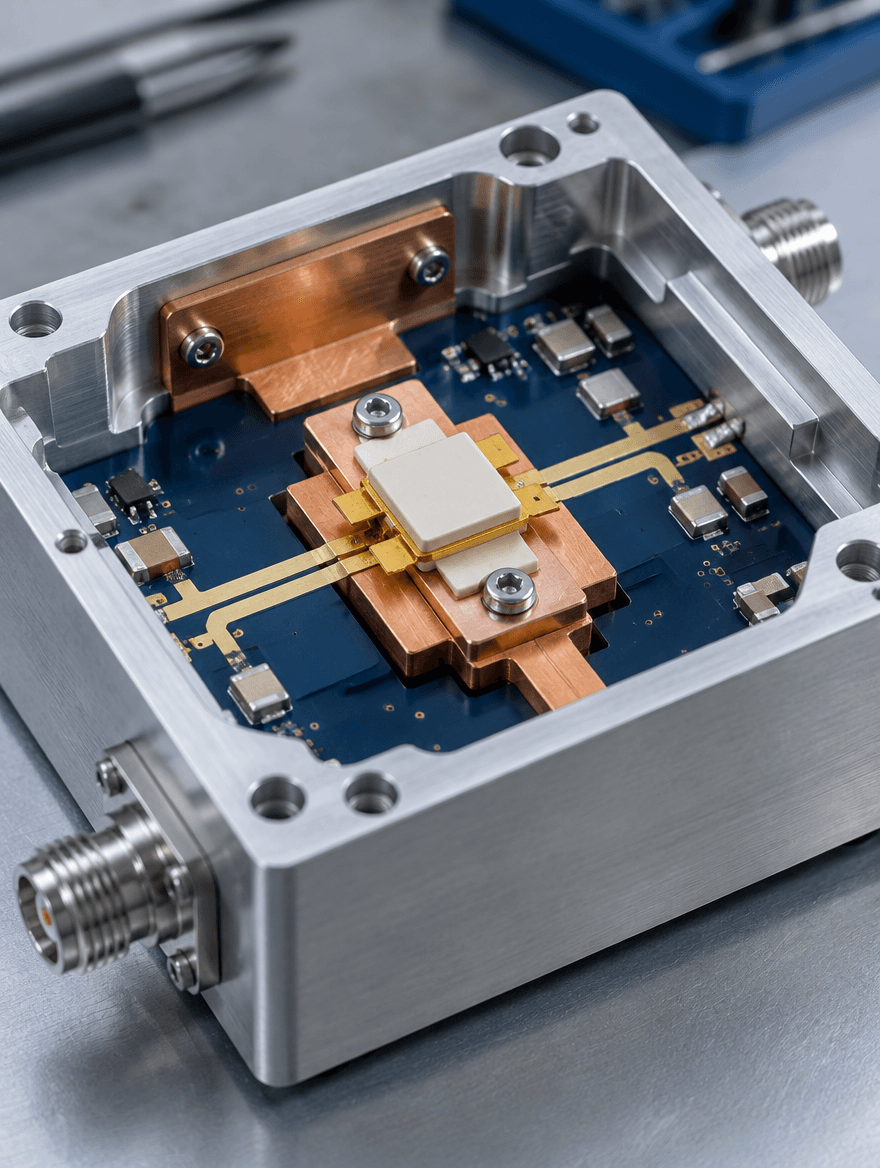
Where diamond helps
Diamond is used in aerospace and defence to manage heat in radar, space electronics and sensors where mass, reliability and temperature range are tightly limited. Buyers consider diamond thermal components, composites and radiation sensing elements. Suitability for any qualification programme must be established with the buyer.
The challenge
Mass and volume limits
Every gram and cubic centimetre counts, so cooling hardware must be compact.
Wide operating temperatures
Components must work through large swings without joint or alignment failure.
Demanding environments
Vibration, vacuum and radiation expose weaknesses that benign conditions hide.
How diamond helps
Compact cooling with Thermal Components
Diamond spreaders and substrates move heat in a thin, light-footprint element.
Tuned base plates: Composites
Copper–diamond and silicon carbide composites can be specified towards the expansion of mounted parts.
Measurement: Sensors & Quantum
Diamond detectors and beam monitors, from Sensors & Quantum Components, suit radiation-sensing work in demanding environments.
Relevant products
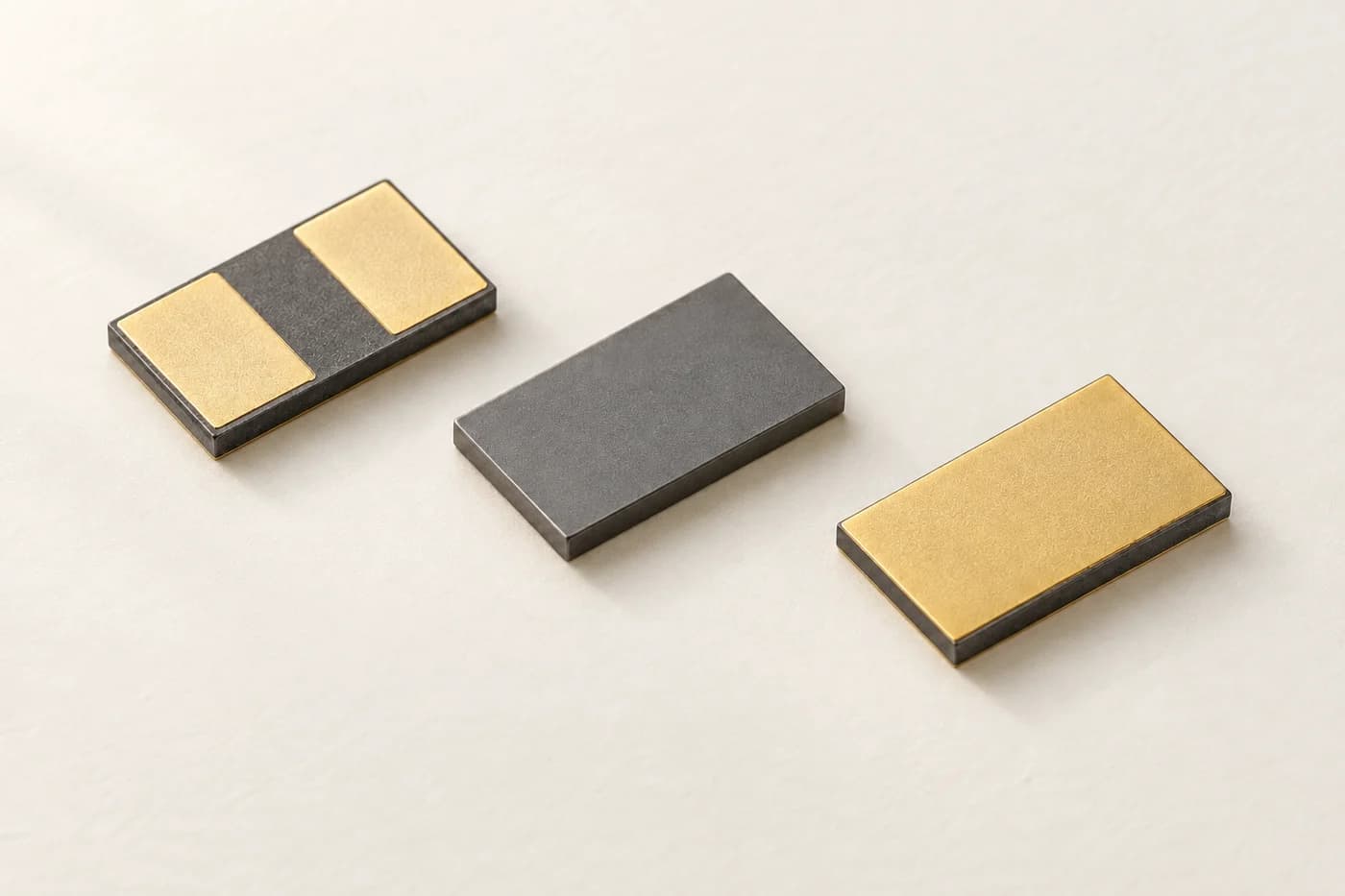 Thermal ComponentsFor engineers whose device runs too hot and who need a short path to the cooling system.
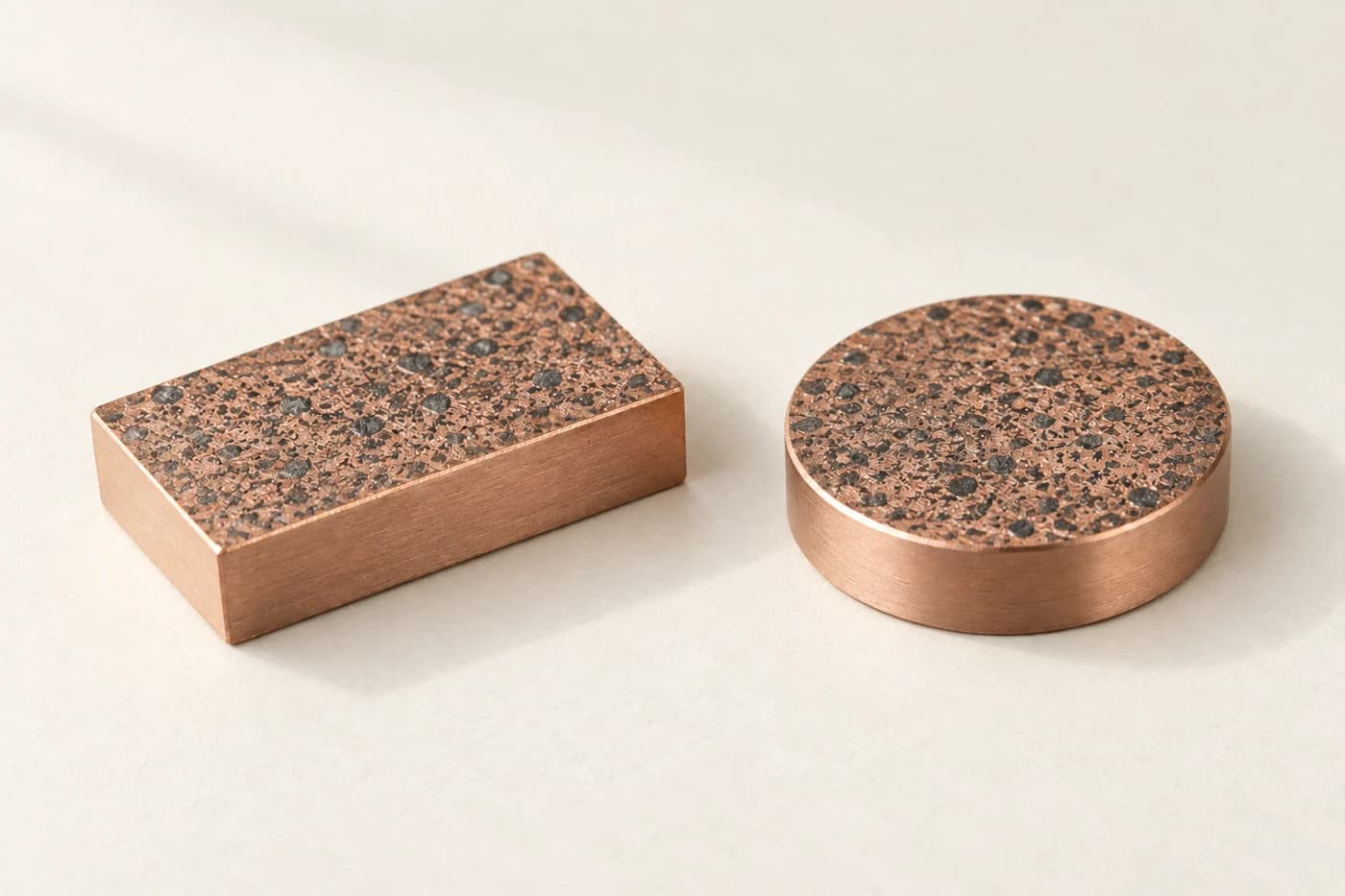 Diamond CompositesFor thermal designers who need diamond's heat conduction in a matrix that suits their package and joining route.
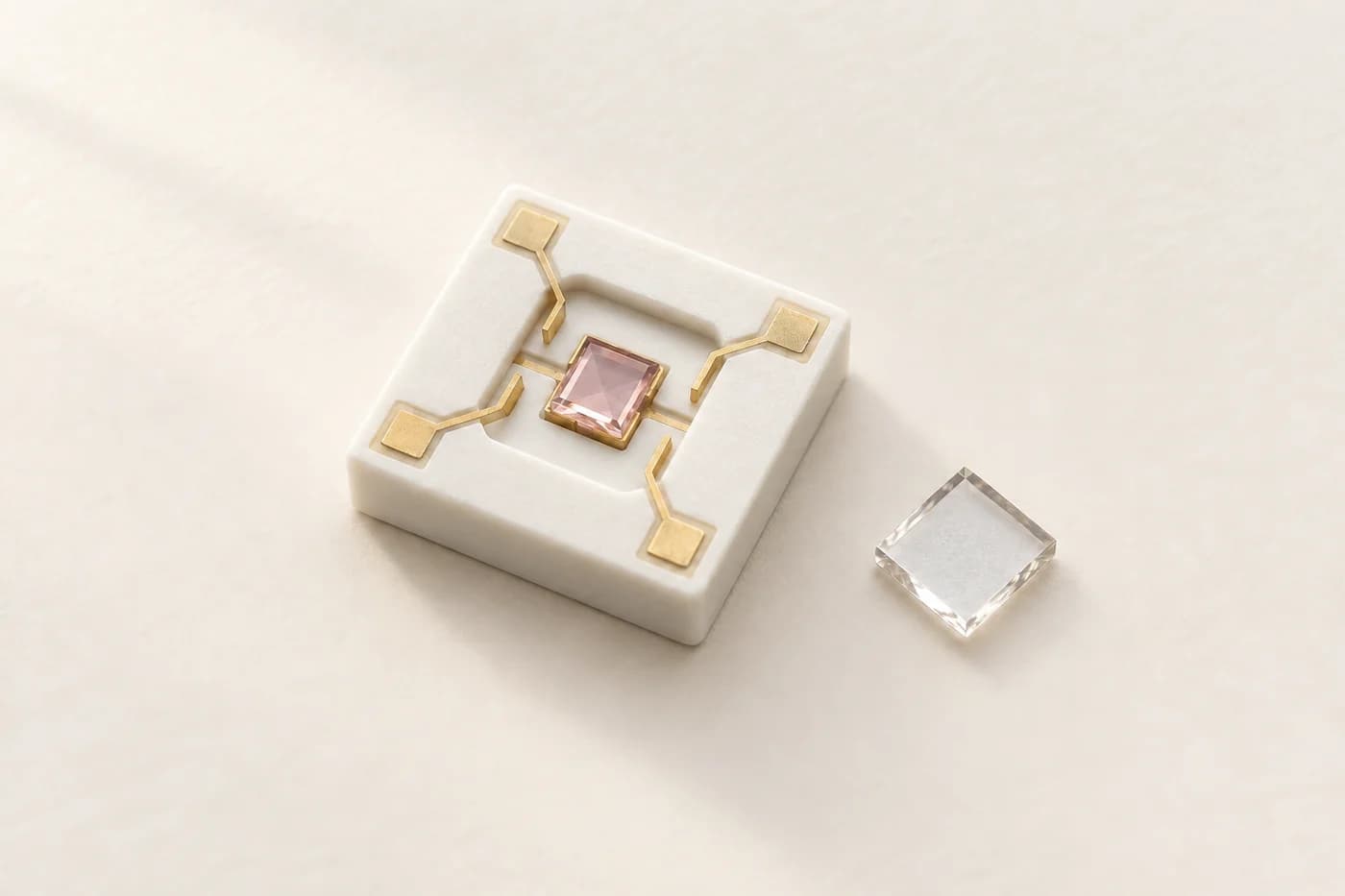 Sensors & Quantum ComponentsFor researchers and instrument builders who need diamond matched to a sensing method, defect system or beam.
Common questions
Is ADAMYX diamond qualified for space use?
We make no qualification claim. Space and defence programmes set their own test and acceptance requirements. Share them in technical review and we will say what can be evaluated, including through paid evaluation samples.
Can I discuss a defence project in confidence?
Yes. ADAMYX offers an NDA and confidential development route. Contact sales@adamyx.com and we will agree confidentiality before you share drawings or requirements.
Why consider diamond for radar thermal management?
Diamond spreads heat from concentrated sources, such as GaN power devices, more effectively than metals. That can reduce junction temperature. The result depends on the interfaces and package design.
Other applications
Requirement to review
Define the next step. Together.
Bring the application, the constraints and the outcome you need. We’ll help scope the engineering review.