
Precision Manufacturing Longer edges, finer finishes
Cutting and wear parts fail by abrasion. Diamond resists it, if the form matches the workpiece.
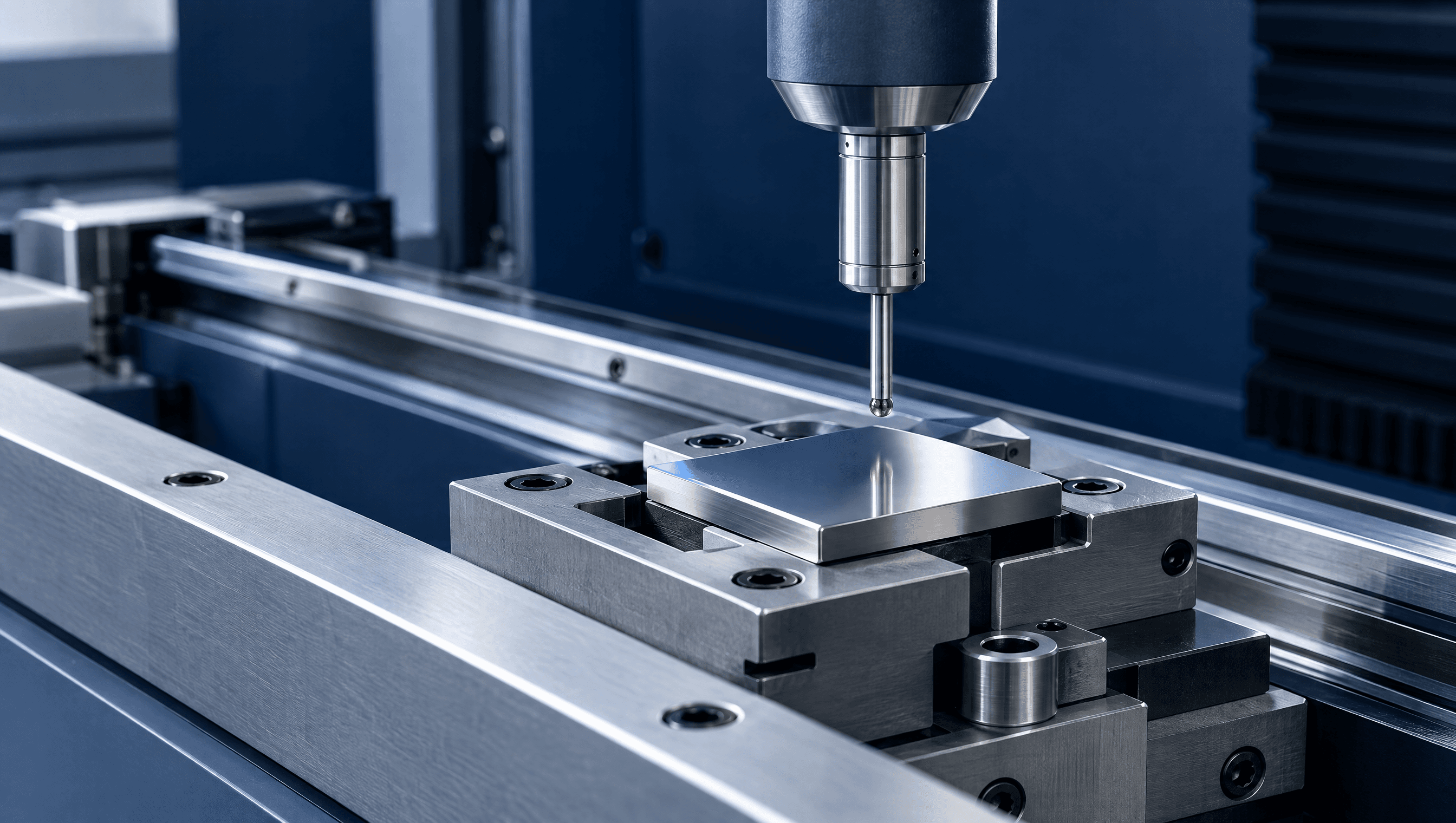
Where diamond helps
Diamond is used in precision manufacturing for cutting tools and wear parts, because it is the hardest known material and resists abrasion. Buyers choose between single-crystal tool blanks, sintered PCD, finished tools and wear components. The right form depends on the workpiece, loading and required surface finish.
The challenge
Rapid edge wear
Abrasive workpieces blunt ordinary tool edges quickly, which raises tool-change frequency.
Surface finish demands
Fine or optical finishes need a sharp, stable edge that does not degrade mid-run.
Matching tool to workpiece
Chemistry and temperature affect diamond wear, so hardness alone does not decide suitability.
How diamond helps
Edge quality with Mechanical Tooling
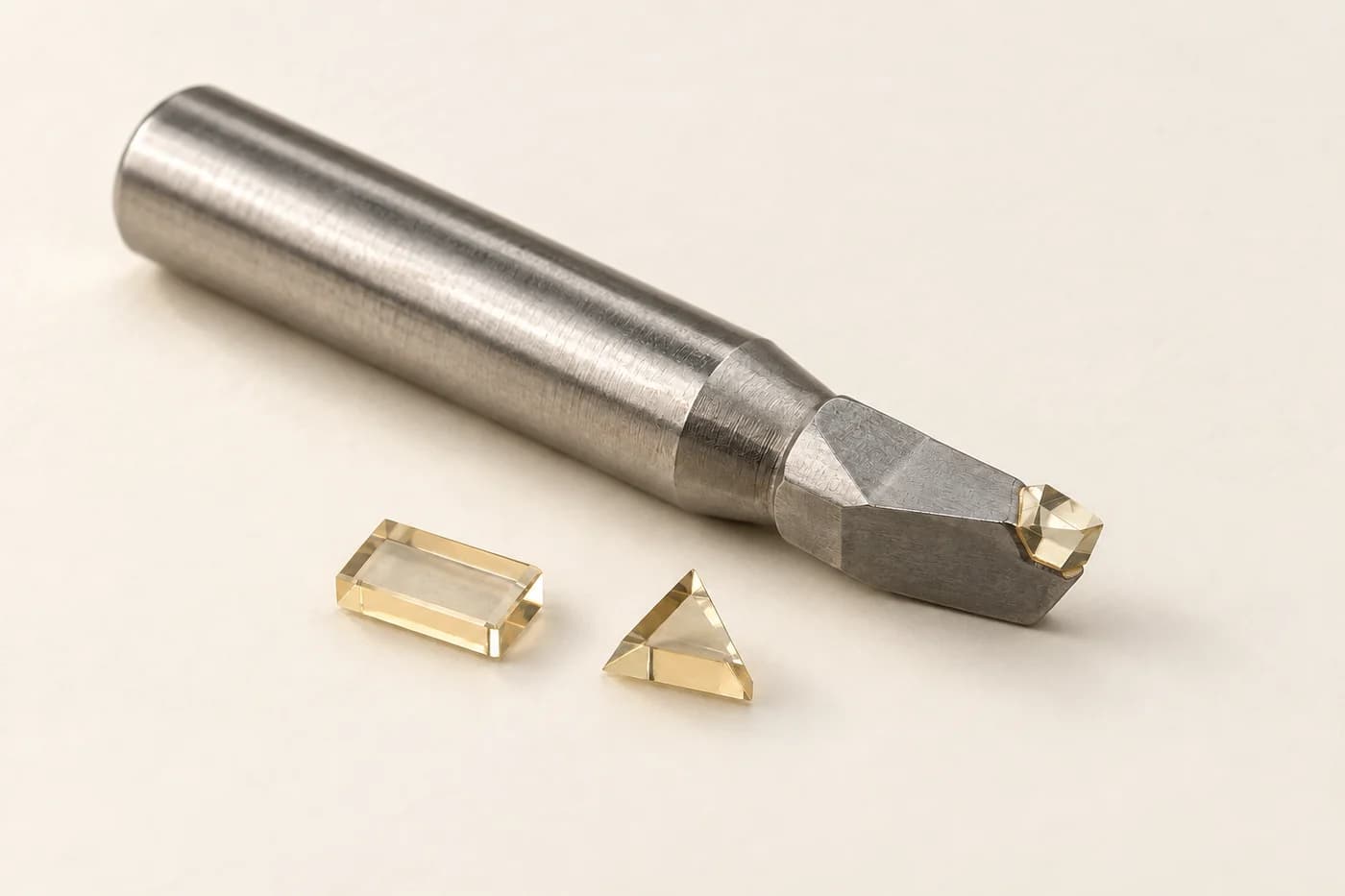
Single-crystal diamond tool blanks are prepared for precision edges, orientation and polished faces.
Production forms with Mechanical Tooling
Sintered PCD blanks and finished diamond tools suit repeatable cutting profiles.
Wear parts and custom shapes
Diamond wear components, balls and custom components are made against your dimensioned drawing.
Relevant products
Common questions
Should I choose single-crystal or PCD tools?
Single-crystal diamond suits very sharp, fine-finish edges. Sintered PCD suits tougher, more general cutting and supports larger tool shapes. Workpiece material and finish requirement decide, so share both with us.
Can diamond cut steel?
Generally no. Diamond can react chemically with ferrous metals at cutting temperatures. It is typically chosen for non-ferrous metals, composites, ceramics and plastics. Confirm your workpiece in technical review.
Can you supply diamond parts to a drawing?
Yes, custom diamond components are reviewed against a dimensioned drawing, tolerances, functional surfaces and inspection plan. Send your drawing, and you can do so under NDA if needed.
Other applications
Requirement to review
Define the next step. Together.
Bring the application, the constraints and the outcome you need. We’ll help scope the engineering review.