
Computing & Data Centres Move heat out of dense processors
AI and HPC packages concentrate heat in small areas. Diamond spreads it sideways before it reaches the cooler.

Where diamond helps
Diamond is used in computing and data centres to spread heat from small, hot areas of processors before it reaches the cooling system. Buyers evaluate diamond heat spreaders, substrates and bonded stacks, because diamond conducts heat far better than copper. Suitability depends on package geometry and interfaces, which we review with you.
The challenge
Concentrated hotspots
GPUs and chiplets release heat from small areas, so local temperature rises long before the package average does.
Limited package space
There is little room for thicker heat paths, so the material itself must do more work.
Many thermal interfaces
Every joint between die and cooler adds resistance, and each adds a point where reliability can suffer.
How diamond helps
Spreading with Thermal Components
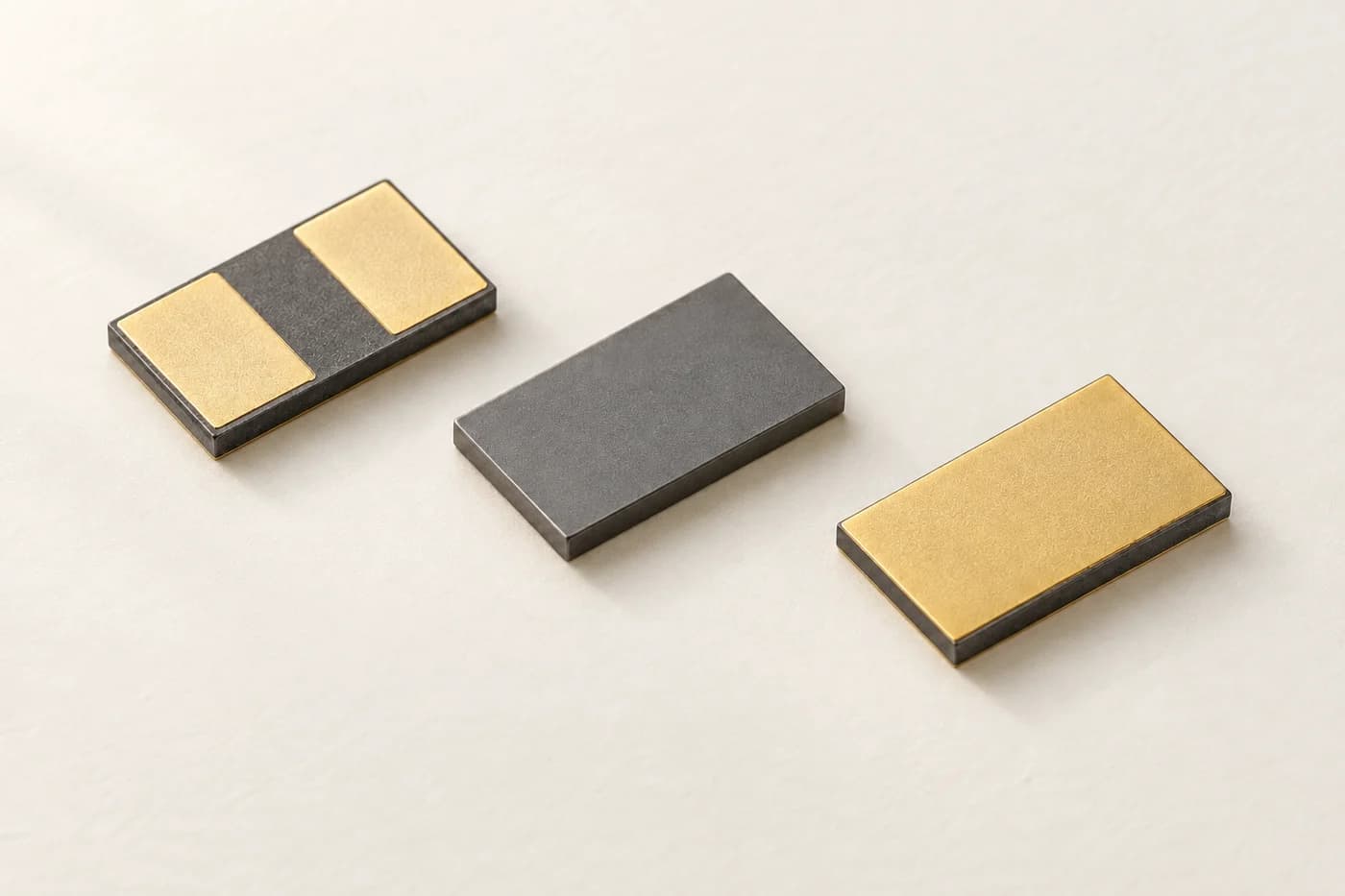
Diamond heat spreaders and chip substrates carry heat sideways, away from a hotspot, into a larger cooling interface.
Shorter paths with Integrated Substrates
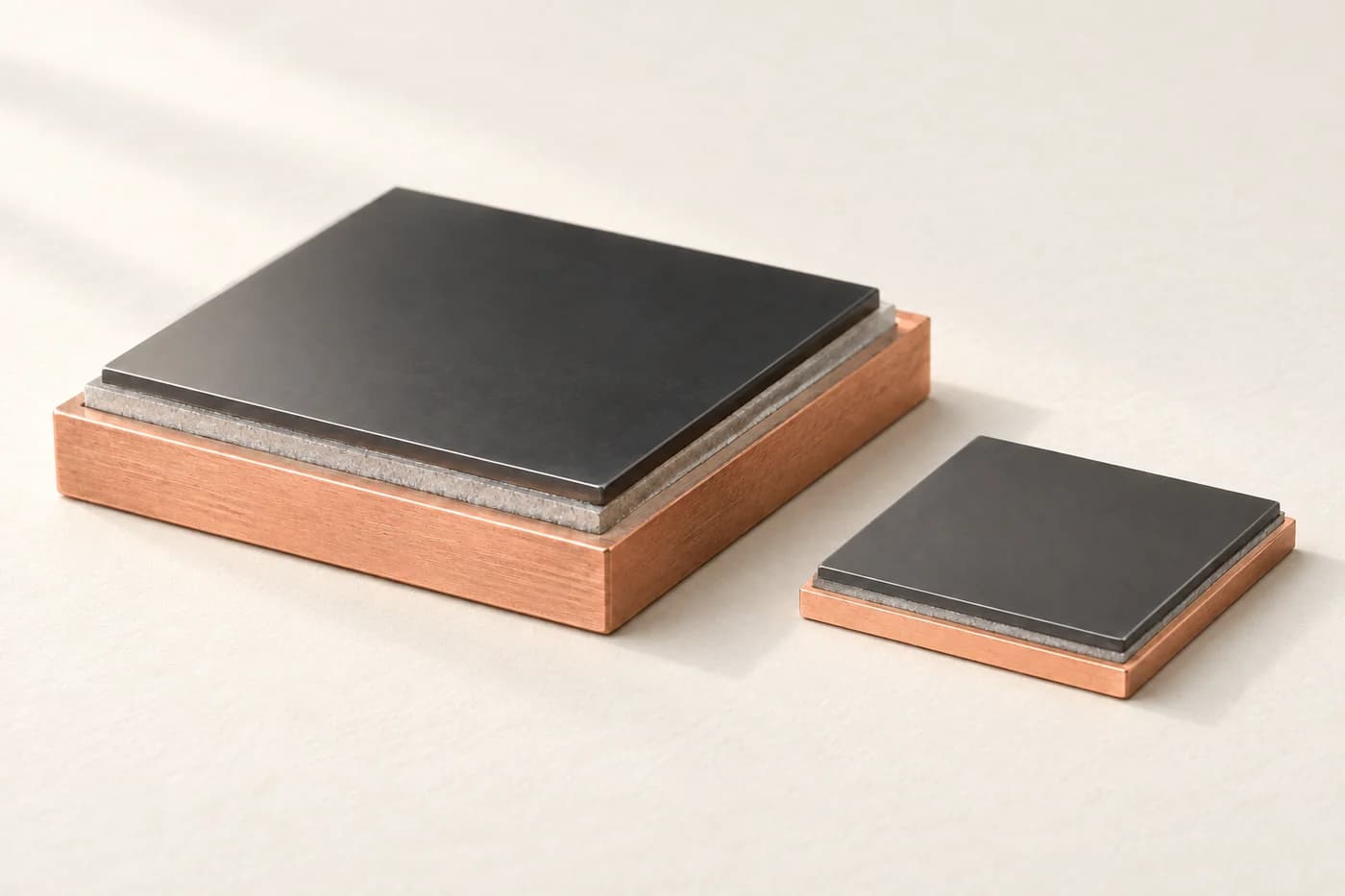
Bonded and diamond-on-silicon stacks place diamond closer to the heat source, reducing the layers heat must cross.
Reviewed against your stack
We review heat load, geometry and attachment with you before agreeing a configuration.
Relevant products
Common questions
Why use diamond for AI and HPC cooling?
Diamond conducts heat much better than copper, so it can spread a concentrated hotspot across a wider area. That lowers the temperature rise at the source. The benefit depends on the whole stack, including interfaces and the cooler.
Which ADAMYX family suits a GPU or chiplet package?
Start with Thermal Components for spreaders and chip substrates. Consider Integrated & Bonded Substrates if diamond must sit closer to the die. Share your heat load, footprint and attachment method and we will advise during technical review.
Can diamond be metallized for assembly?
Yes. Metallized diamond carries metal layers for soldering or electrical contact. The metal stack, adhesion and joining method are agreed against your assembly process during technical review.
Other applications
Requirement to review
Define the next step. Together.
Bring the application, the constraints and the outcome you need. We’ll help scope the engineering review.