
Power Electronics & EVs Cycle power modules without failure
Power modules face large temperature swings. Diamond and diamond composites help manage heat and expansion mismatch.

Where diamond helps
Diamond is used in power electronics and EVs to spread heat from power semiconductors and to reduce stress from temperature cycling. Buyers evaluate diamond substrates, direct-bonded copper on diamond and diamond composites. The choice depends on isolation needs, expansion balance and the bonded joint.
The challenge
Repeated temperature cycling
Each heating cycle stresses joints between layers made from materials that expand by different amounts.
Electrical isolation
Heat paths in power modules must also keep high voltage separated from the baseplate.
Rising power density
Smaller inverters and faster charging concentrate more heat in the same space.
How diamond helps
Heat paths with Thermal Components
Diamond chip substrates and heat spreaders carry heat from power dies into the module base.
Tuned expansion with Diamond Composites
Aluminium–diamond and copper–diamond composites can be specified towards a target expansion range.
Bonded structures with Integrated Substrates
Direct-bonded copper on diamond and strain-balanced substrates combine heat paths with electrical patterns.
Relevant products
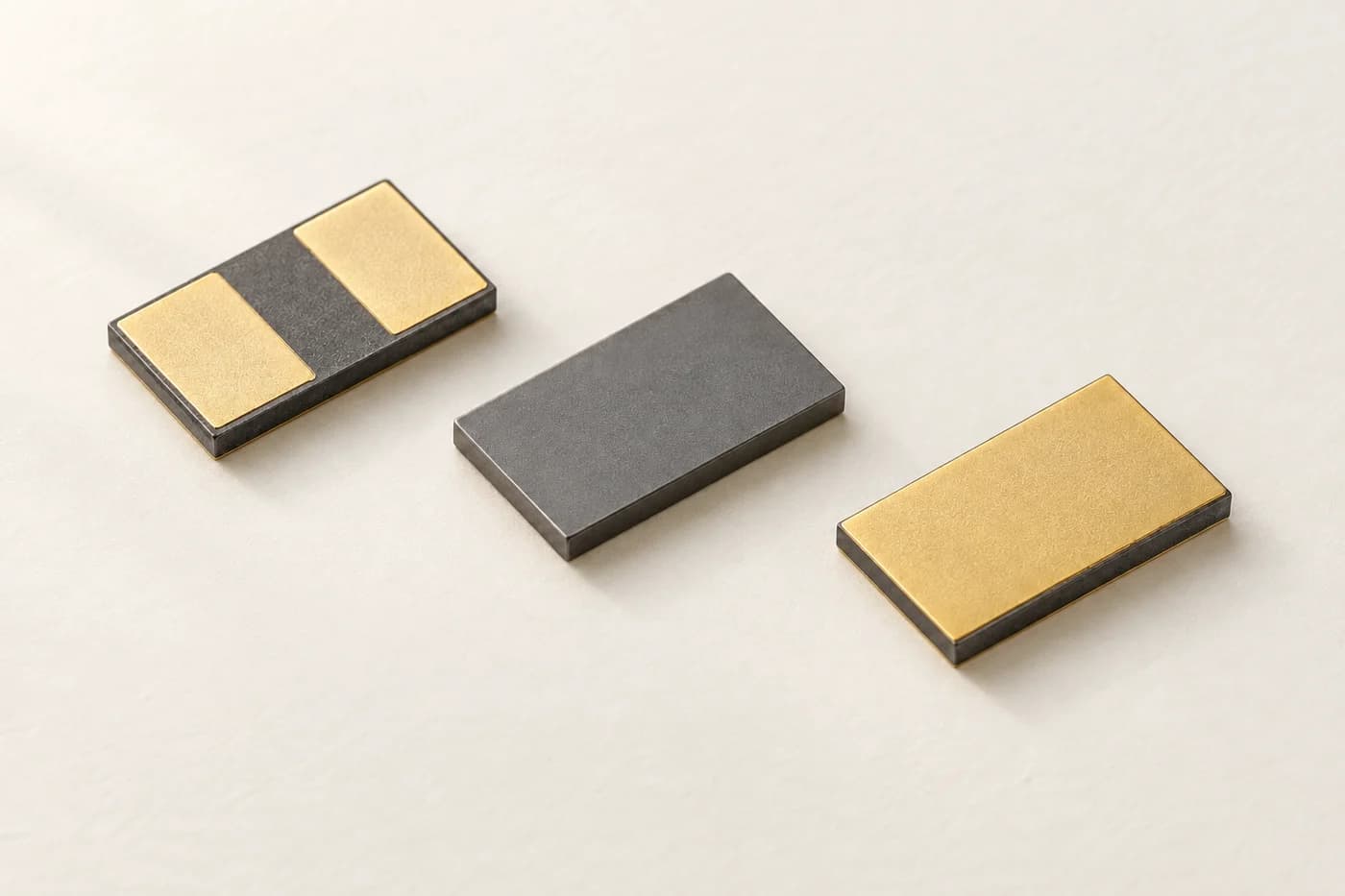 Thermal ComponentsFor engineers whose device runs too hot and who need a short path to the cooling system.
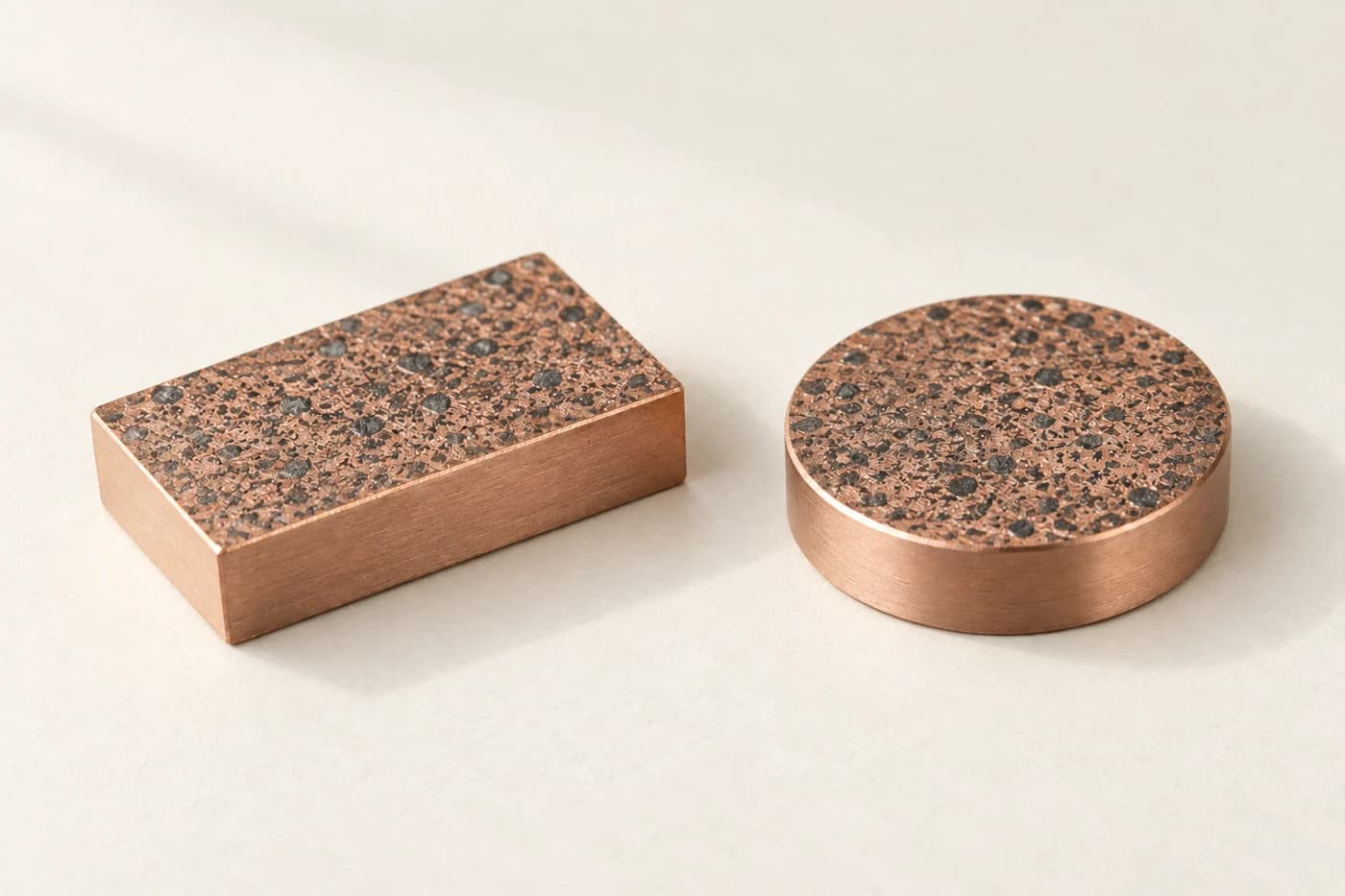 Diamond CompositesFor thermal designers who need diamond's heat conduction in a matrix that suits their package and joining route.
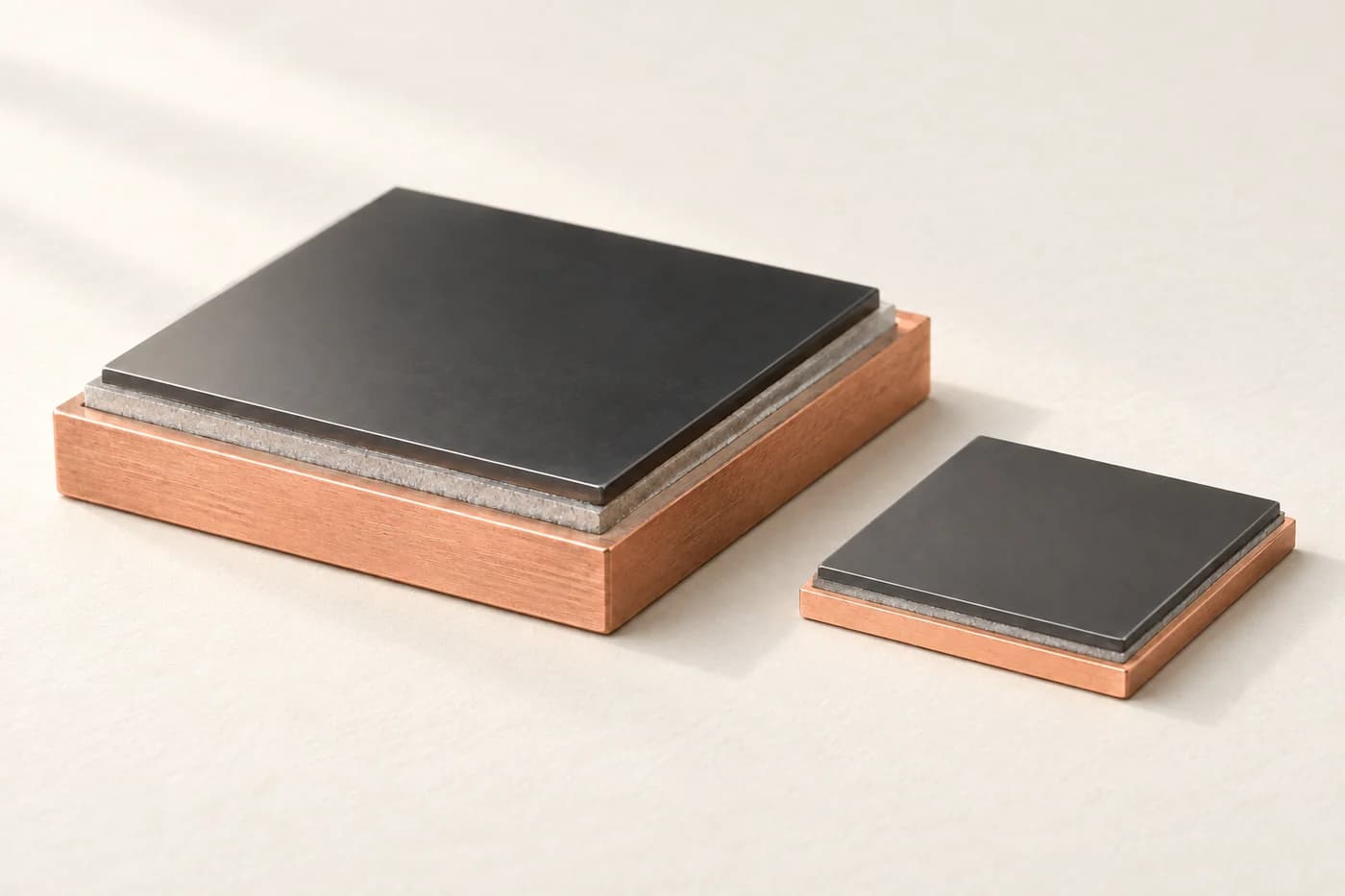 Integrated & Bonded SubstratesFor teams building diamond into a device stack, with bonded, grown or clad layers and a defined interface.
Common questions
Is diamond electrically insulating?
Undoped diamond is an electrical insulator, which is useful where heat must pass but current must not. Doped or composite forms behave differently. State your isolation requirement and we will confirm the suitable form.
What is direct-bonded copper on diamond?
It is a diamond substrate with copper features bonded directly to it, for both thermal and electrical routing. Copper pattern, layer thickness and bond quality are agreed for your module during technical review.
How do I choose between aluminium–diamond and copper–diamond?
Aluminium–diamond is typically considered where weight matters. Copper–diamond is typically considered where conductivity matters more. Both depend on formulation, so share your targets and we will compare options in technical review.
Other applications
Requirement to review
Define the next step. Together.
Bring the application, the constraints and the outcome you need. We’ll help scope the engineering review.