
Water & Electrochemistry Durable electrodes for harsh chemistry
Boron-doped diamond electrodes tolerate aggressive electrolytes. They are used in treatment and sensing.

Where diamond helps
Diamond is used in water treatment and electrochemistry as boron-doped diamond (BDD) electrodes, which conduct electricity and tolerate aggressive electrolytes with a wide electrochemical window. Buyers evaluate electrodes and complete cells. Efficiency and lifetime must be validated in the intended process.
The challenge
Aggressive electrolytes
Many electrode materials corrode or foul in strong oxidising conditions.
Process-specific performance
Treatment efficiency depends on current density, flow and chemistry, not electrode material alone.
Electrode area and geometry
Active area, substrate and cell design must fit the reactor and its seals.
How diamond helps
Conductive diamond with Electrochemical Components
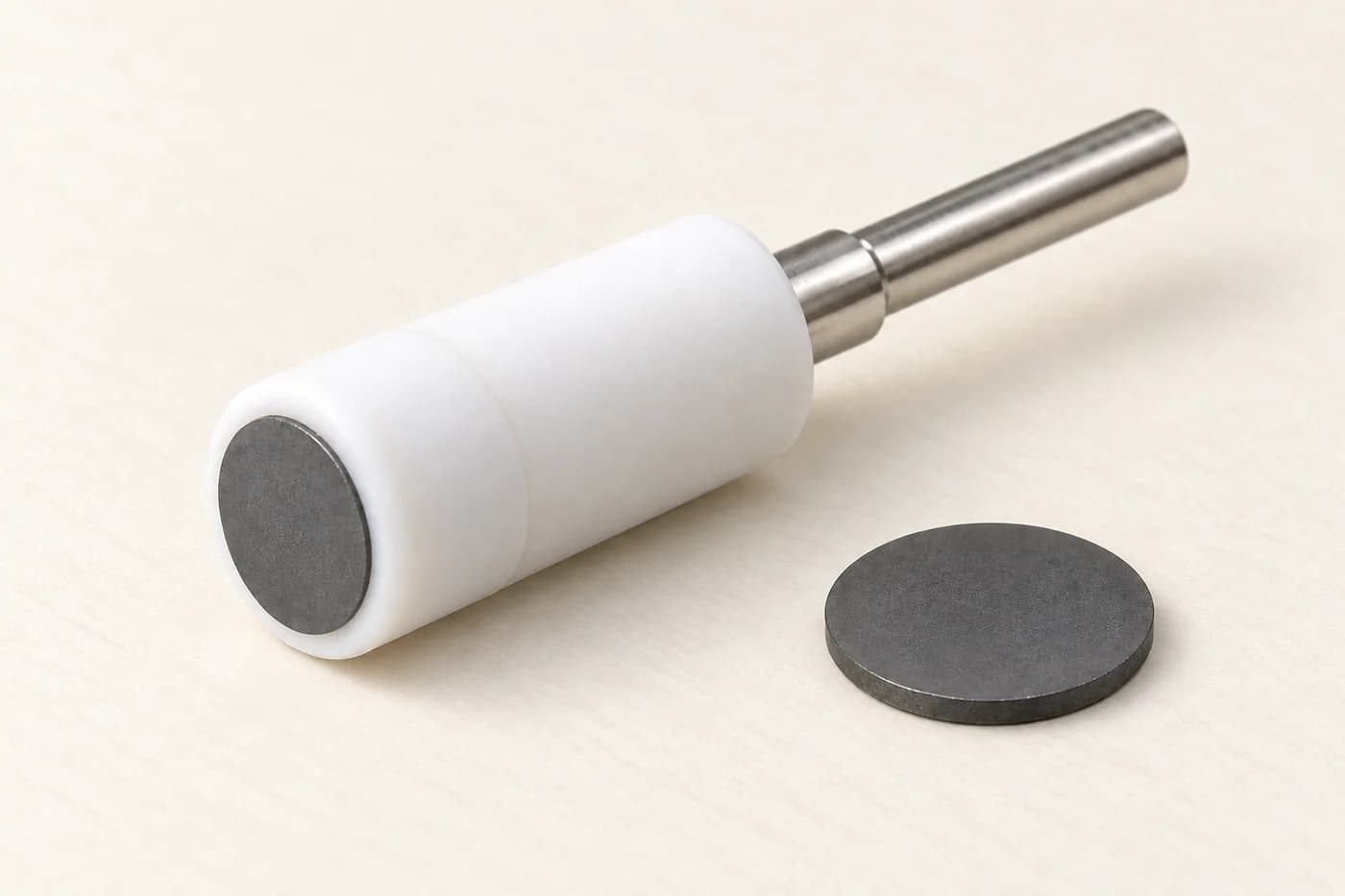
Boron-doped diamond electrodes provide a conductive working surface whose doping and active area you specify.
Complete cells
Diamond electrochemical cells integrate the electrode with fluid and electrical connections.
Validated for your process
We agree electrolyte, current density and evaluation conditions in technical review, before supply.
Relevant products
Common questions
What is a boron-doped diamond electrode?
It is a conductive diamond working surface made by adding boron during growth. It offers a wide electrochemical window and resists corrosion. Doping, substrate and active area are chosen for your chemistry.
Will a BDD electrode last in my process?
Lifetime depends on doping, surface preparation, current density and electrolyte. It cannot be assumed from the material alone. We recommend evaluation under your actual conditions, supported by paid evaluation samples.
Do you supply whole electrochemical cells?
Yes, Diamond Electrochemical Cells integrate a diamond electrode with fluid and electrical systems. Electrolyte, current density, flow, electrode gap and seals are reviewed with you first.
Other applications
Requirement to review
Define the next step. Together.
Bring the application, the constraints and the outcome you need. We’ll help scope the engineering review.