
Optical Components Optical blanks
Optical-Grade Diamond Plates
Polished plates for optics, chosen for performance at your operating wavelength.
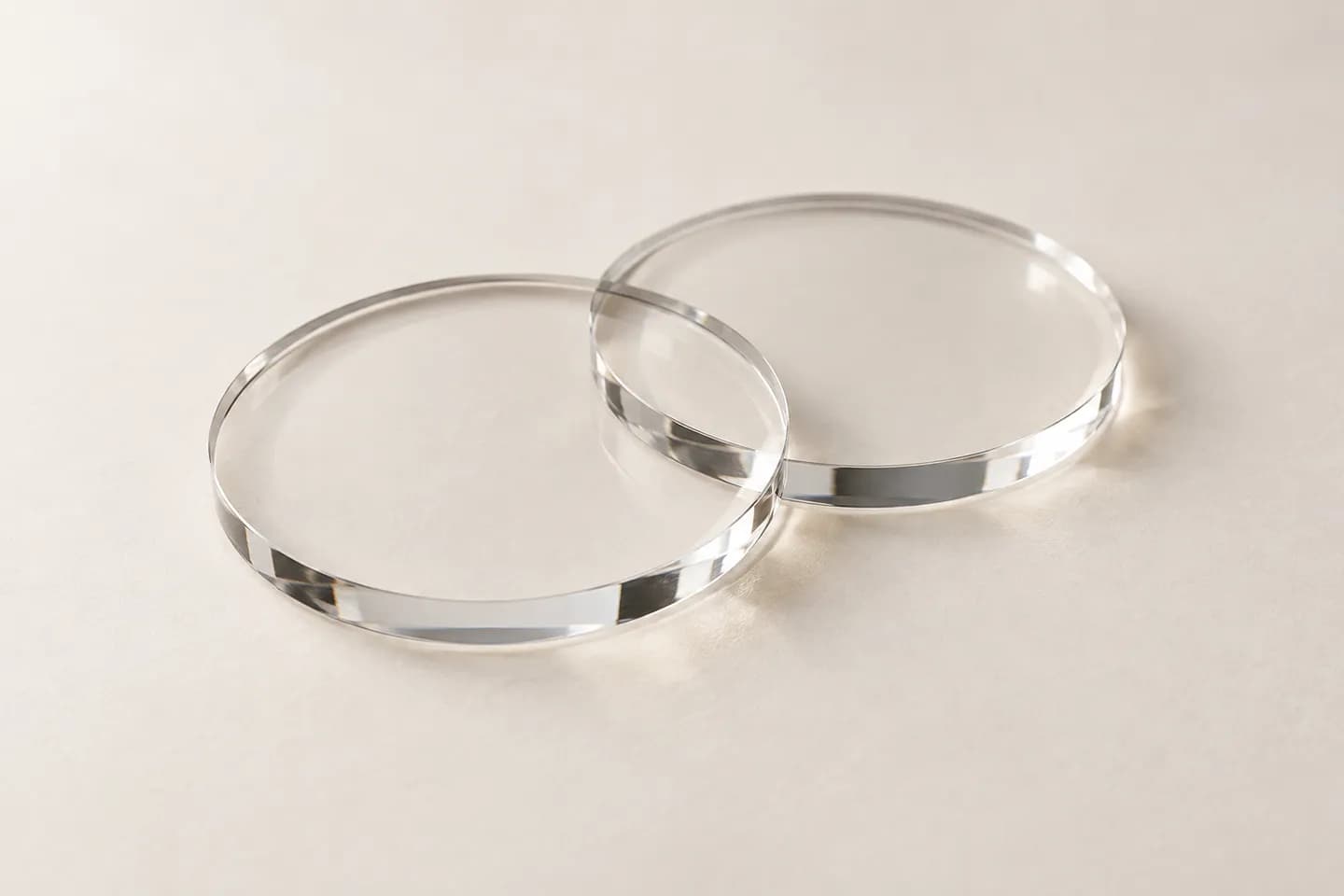
Good to know
- Optical grade is not a promise of equal transmission across every wavelength.
- Bulk absorption and surface reflection are separate contributions to optical loss.
- Surface finish, wedge and flatness need to match the optical assembly.
Specifications
What we define for optical-grade diamond plates, with units and how each is typically measured. We confirm values for your application in technical review.
Request the datasheetLook up a term in the glossaryDimensions & tolerances
| Parameter | Unit | Typical test method |
|---|---|---|
| Clear aperture | mm | Optical measurement to drawing |
| Thickness and tolerance (bulk or layer) | mm | Micrometer or optical gauge |
| Parallelism or wedge | arcmin | Autocollimator or interferometry |
| Flatness or surface figure, and bow | µm or fringes | Interferometry (633 nm) or profilometry |
| Lateral size, outline or diameter, and tolerance | mm | Optical measurement |
Surface & finish
| Parameter | Unit | Typical test method |
|---|---|---|
| Surface quality (scratch and dig) | Visual inspection (ISO 10110-7) | |
| Surface roughness per side | nm Ra | Profilometry or AFM |
Optical performance
| Parameter | Unit | Typical test method |
|---|---|---|
| Transmittance over operating band or photon-energy range | % | FTIR or UV–Vis spectrophotometry |
| Absorption coefficient at 10.6 µm and 1.064 µm | cm⁻¹ | Laser calorimetry or FTIR spectroscopy |
| Optical scatter and haze | % | Integrating-sphere measurement |
| Birefringence | nm/cm | Polarimetry |
| Refractive index and dispersion | Ellipsometry or prism coupling | |
| Laser-induced damage threshold | J/cm² | Laser damage test (ISO 21254) |
| Transmitted wavefront error | fringes | Interferometry |
Integration & packaging
| Parameter | Unit | Typical test method |
|---|---|---|
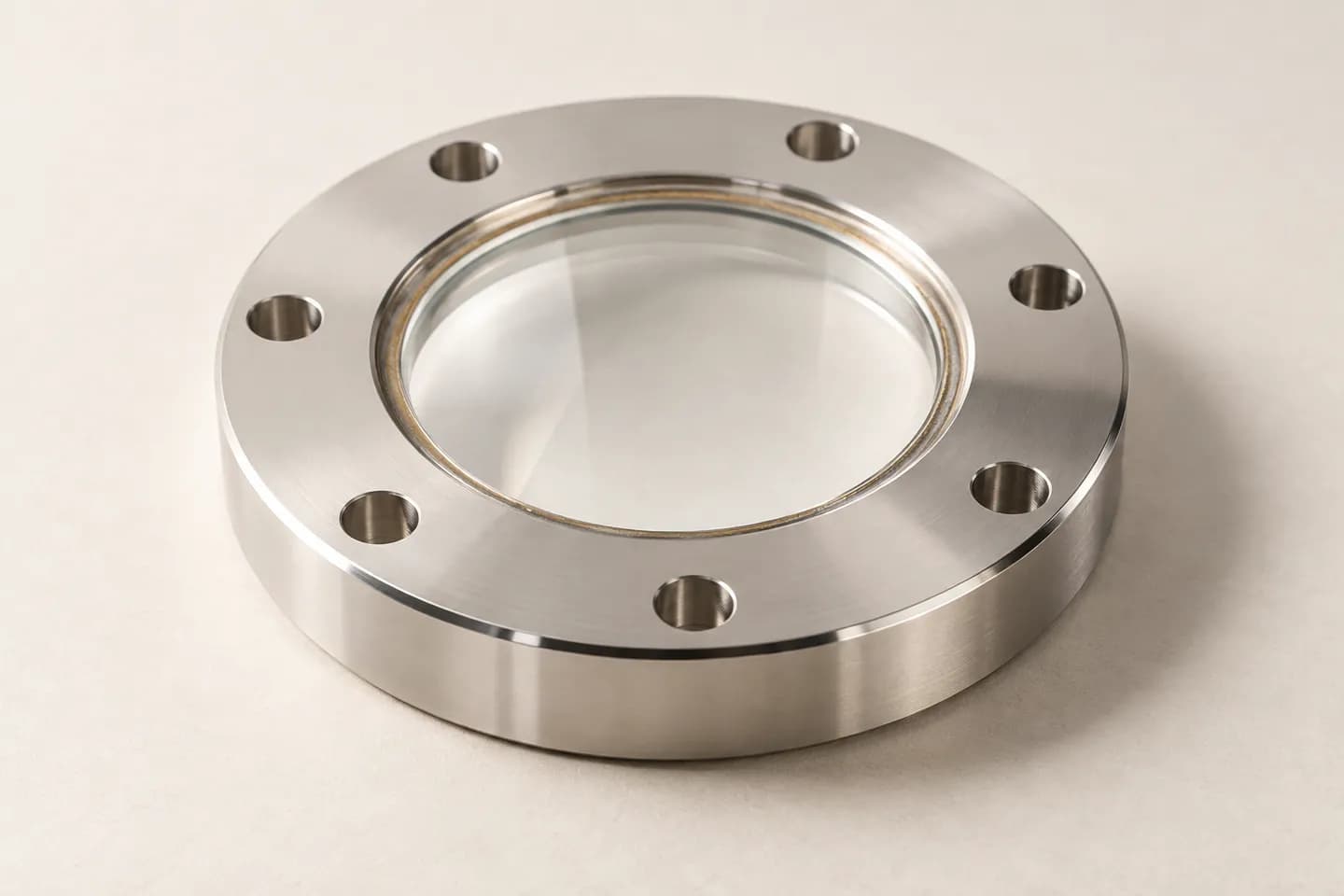
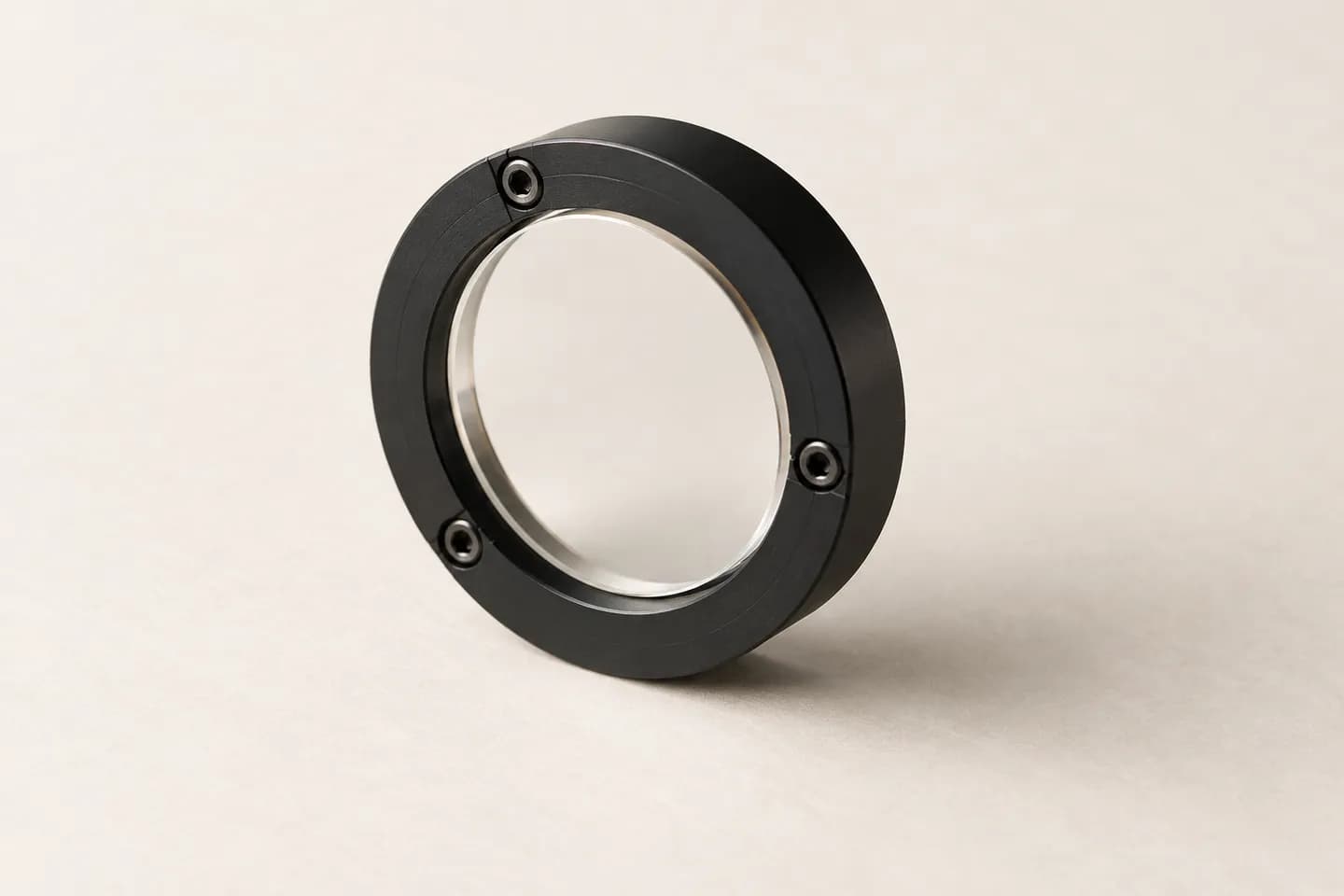
| Packaging, cleanliness and labelling | Per drawing |
Where it is used
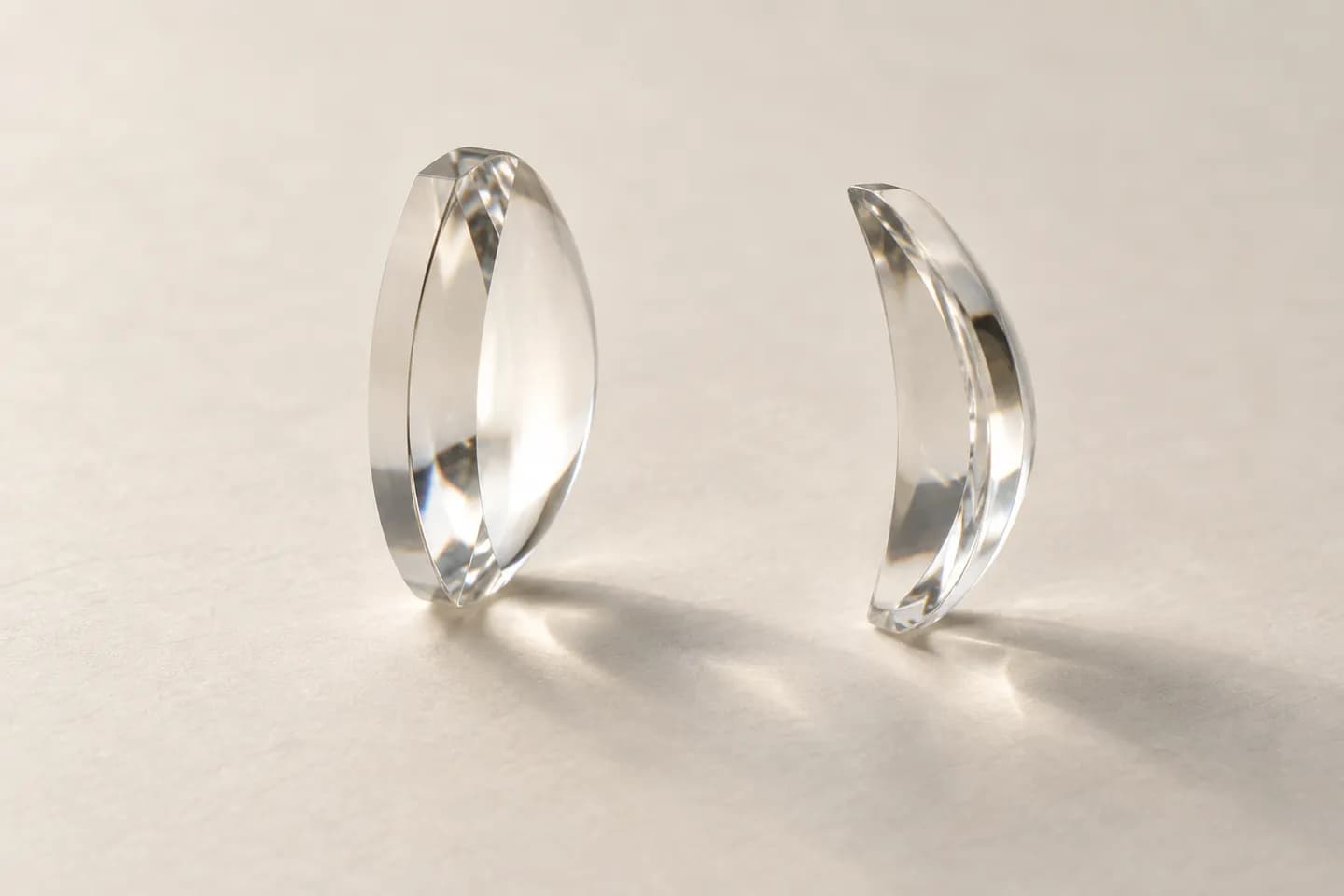
- Lasers & PhotonicsOptics must transmit light and survive heat load; diamond transmits and conducts heat away.
- Semiconductor EquipmentProcessing demands precision, cleanliness and compatible materials; diamond parts are specified around all three.
- Research & QuantumExperiments need pure material and sensitive measurement; diamond is specified to your conditions.
Requirement to review
Have a material requirement? Let’s review it.
Share your optical-grade diamond plates requirement, dimensions and drawing for review.